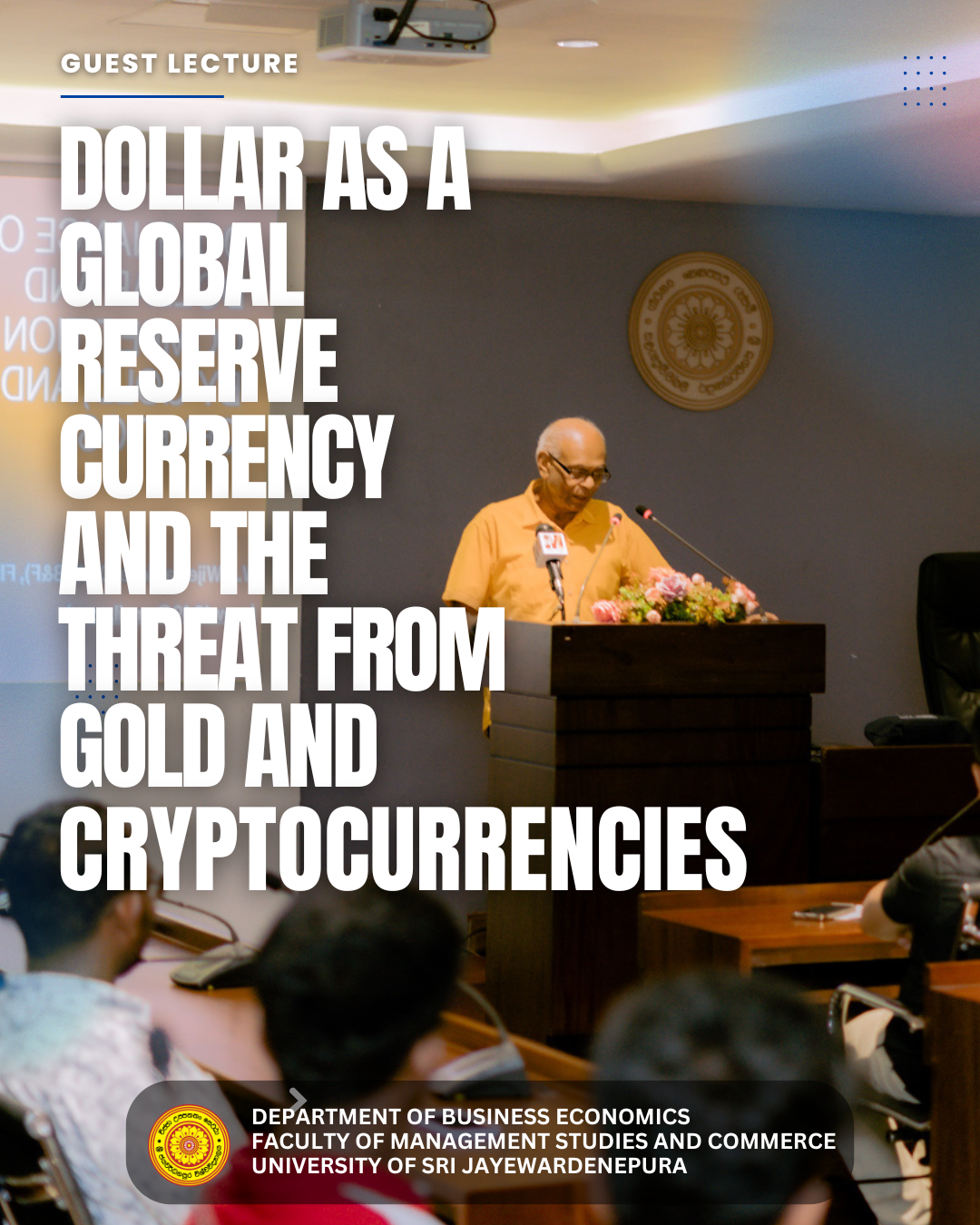
Guest Lecture on “Dollar as a Global Reserve Currency and the Threat from Gold and Cryptocurrencies”
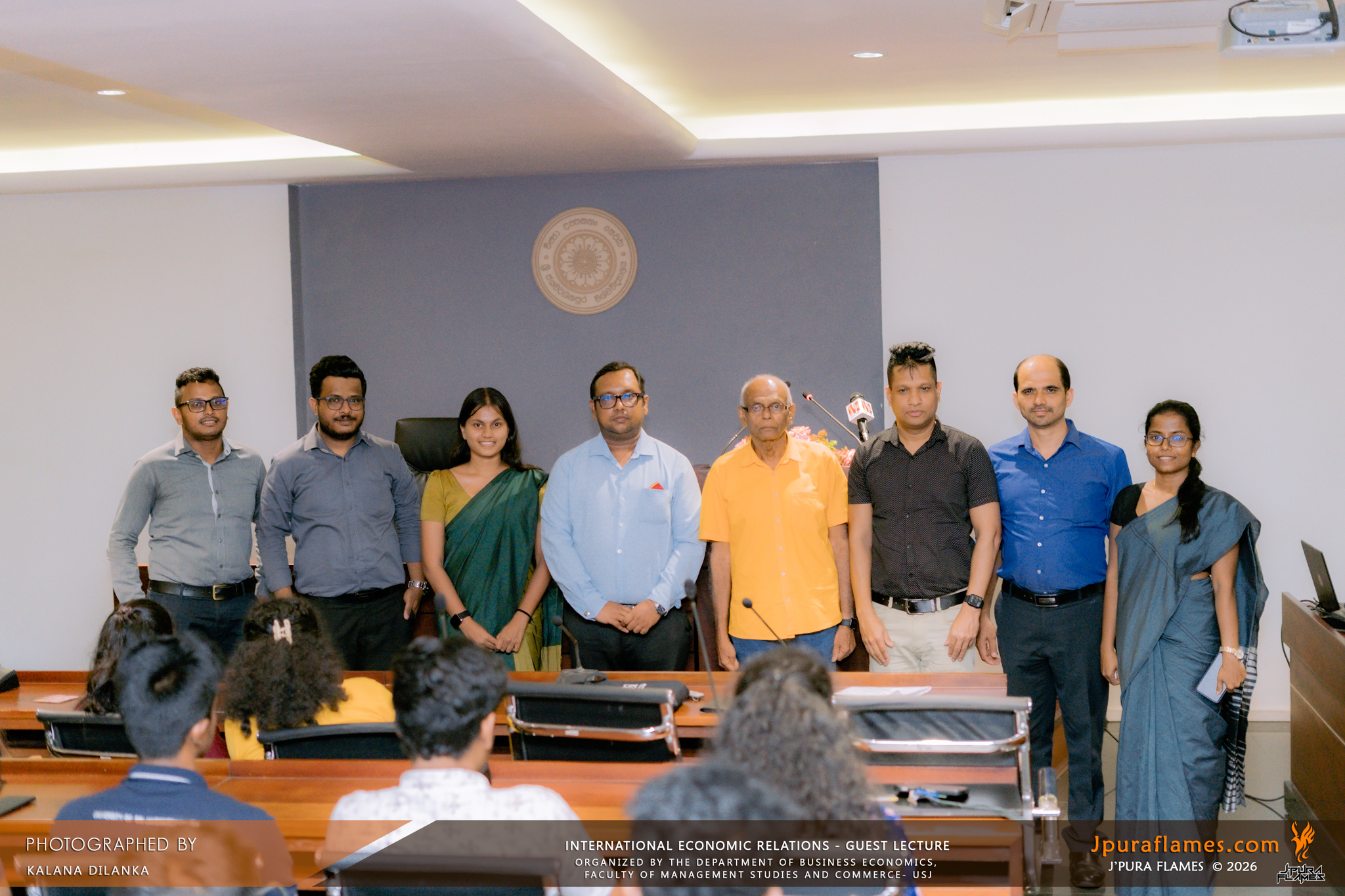
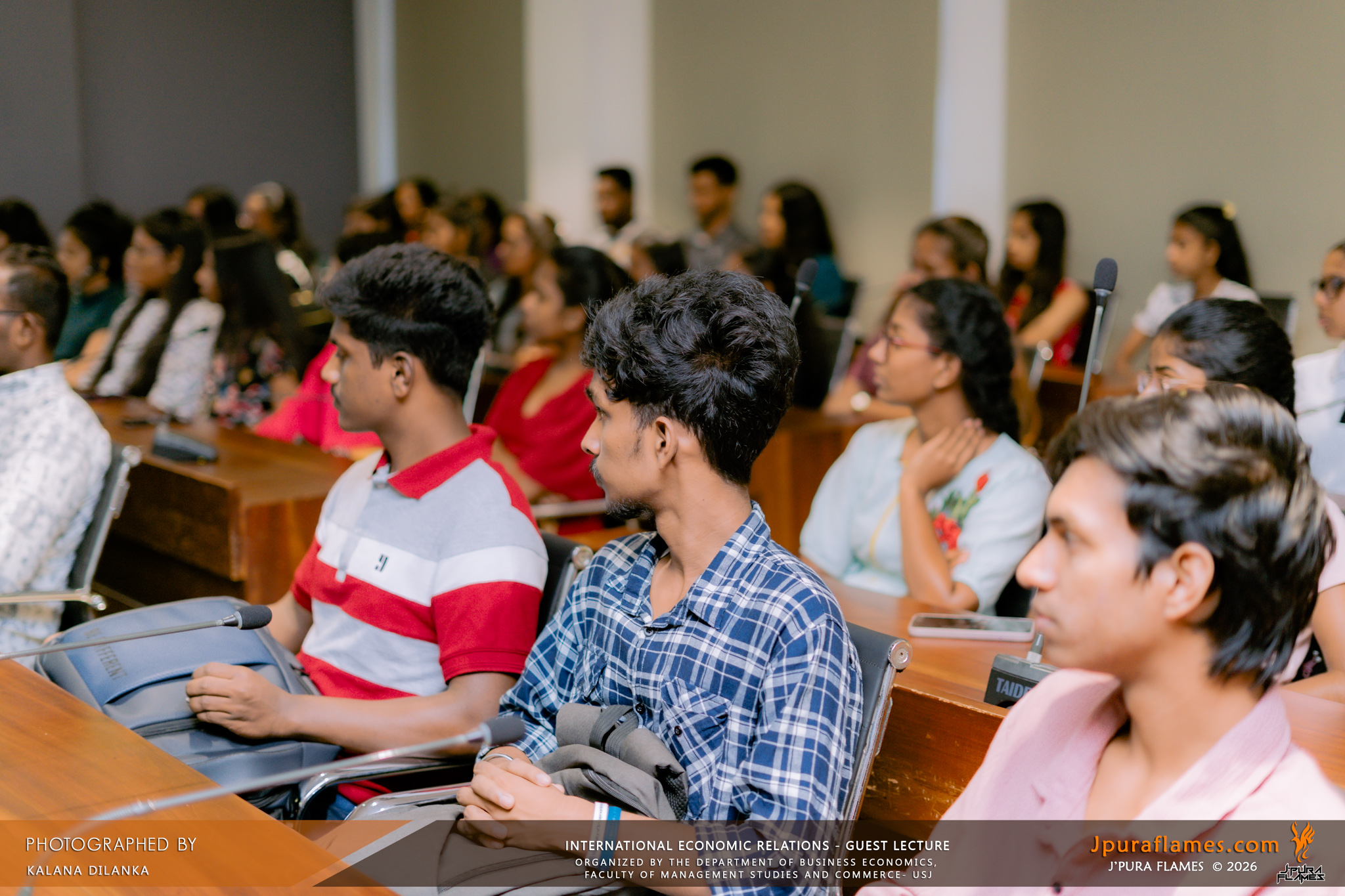
The Department of Business Economics, Faculty of Management Studies and Commerce (FMSC), University of Sri Jayewardenepura, successfully hosted a guest lecture under the course BEC 3372: International Economic Relations on Tuesday, 27th January 2026, from 5.00 PM onwards, at the New Faculty Board Room, FMSC.
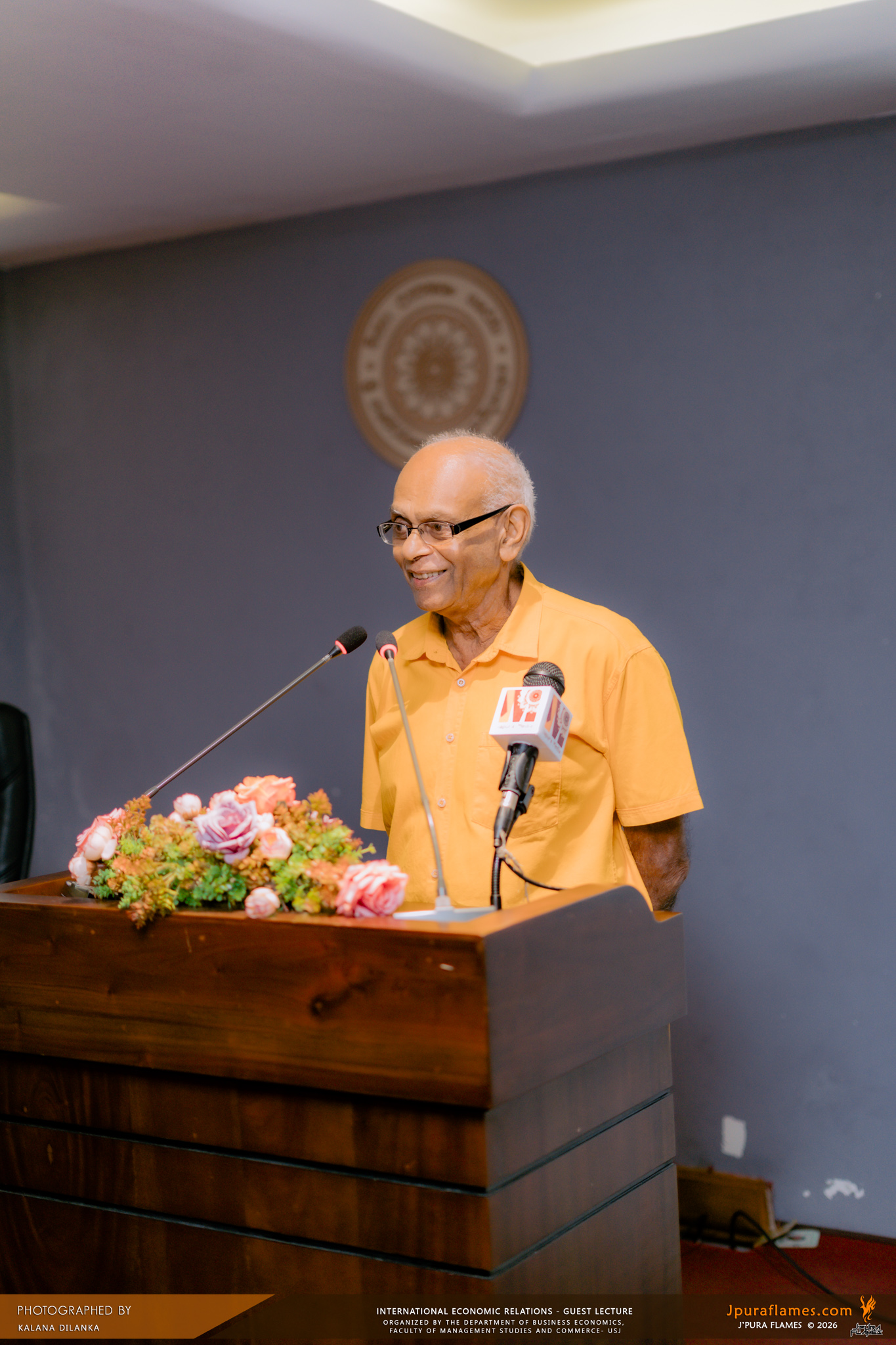
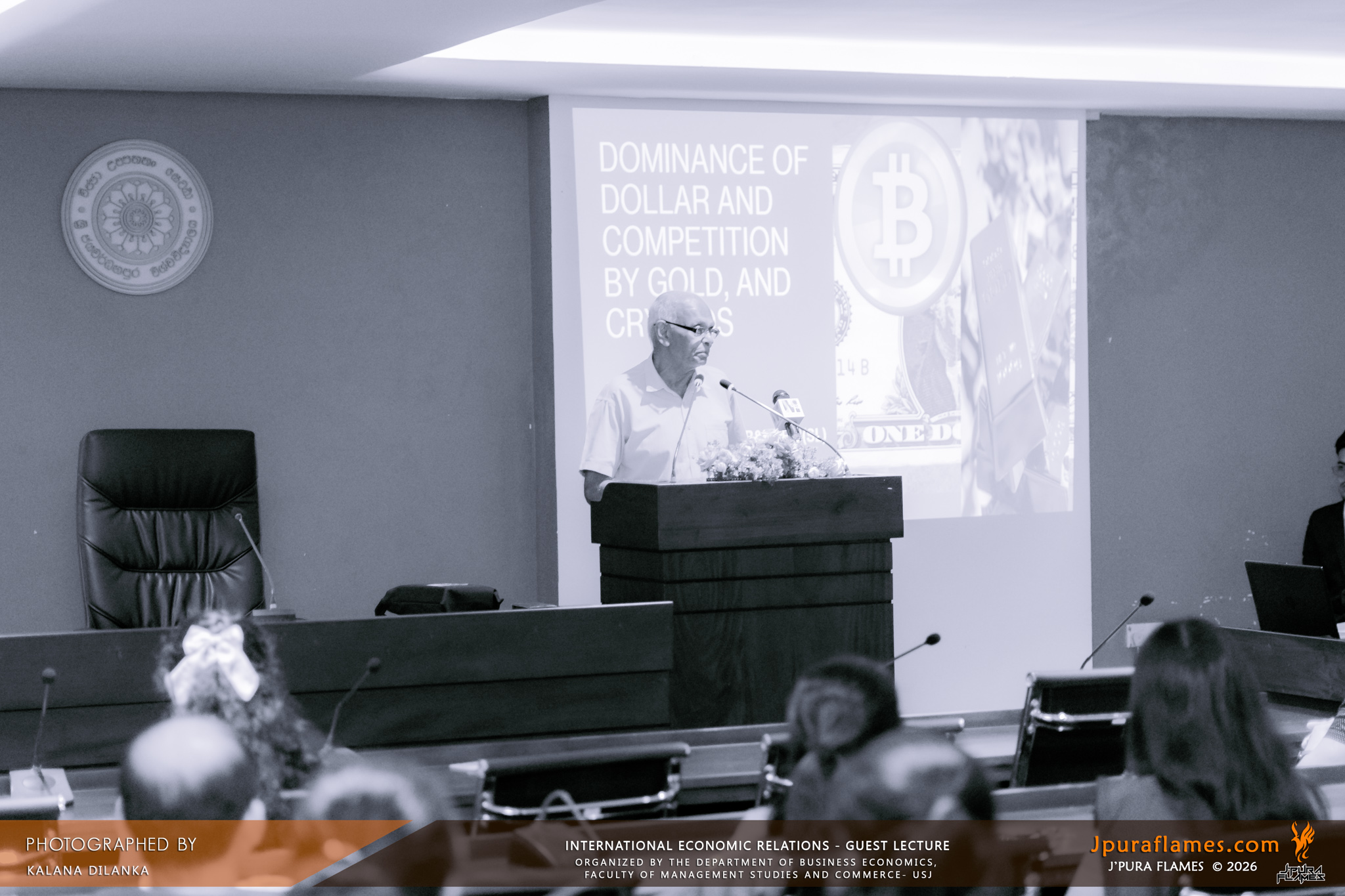
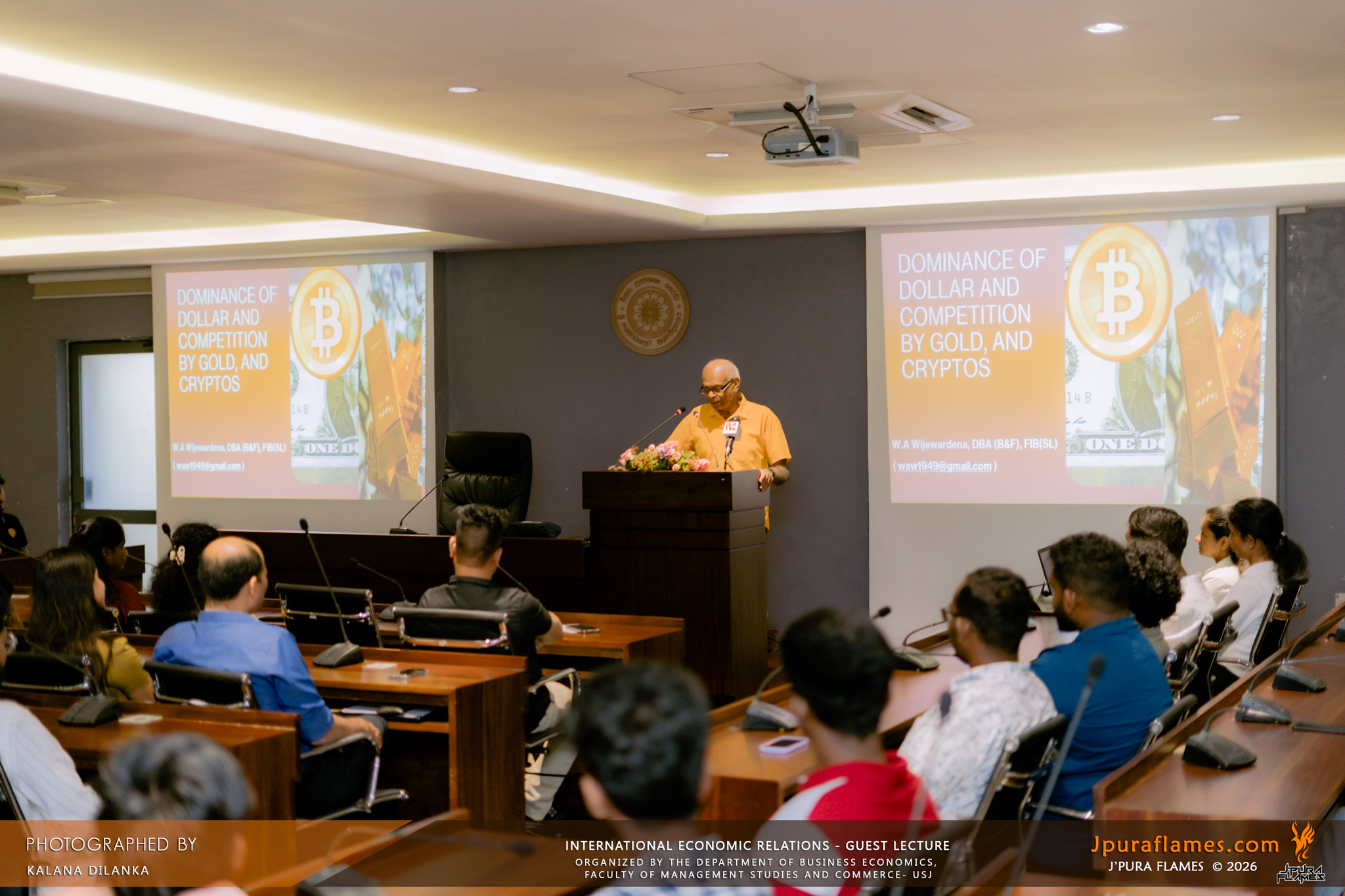
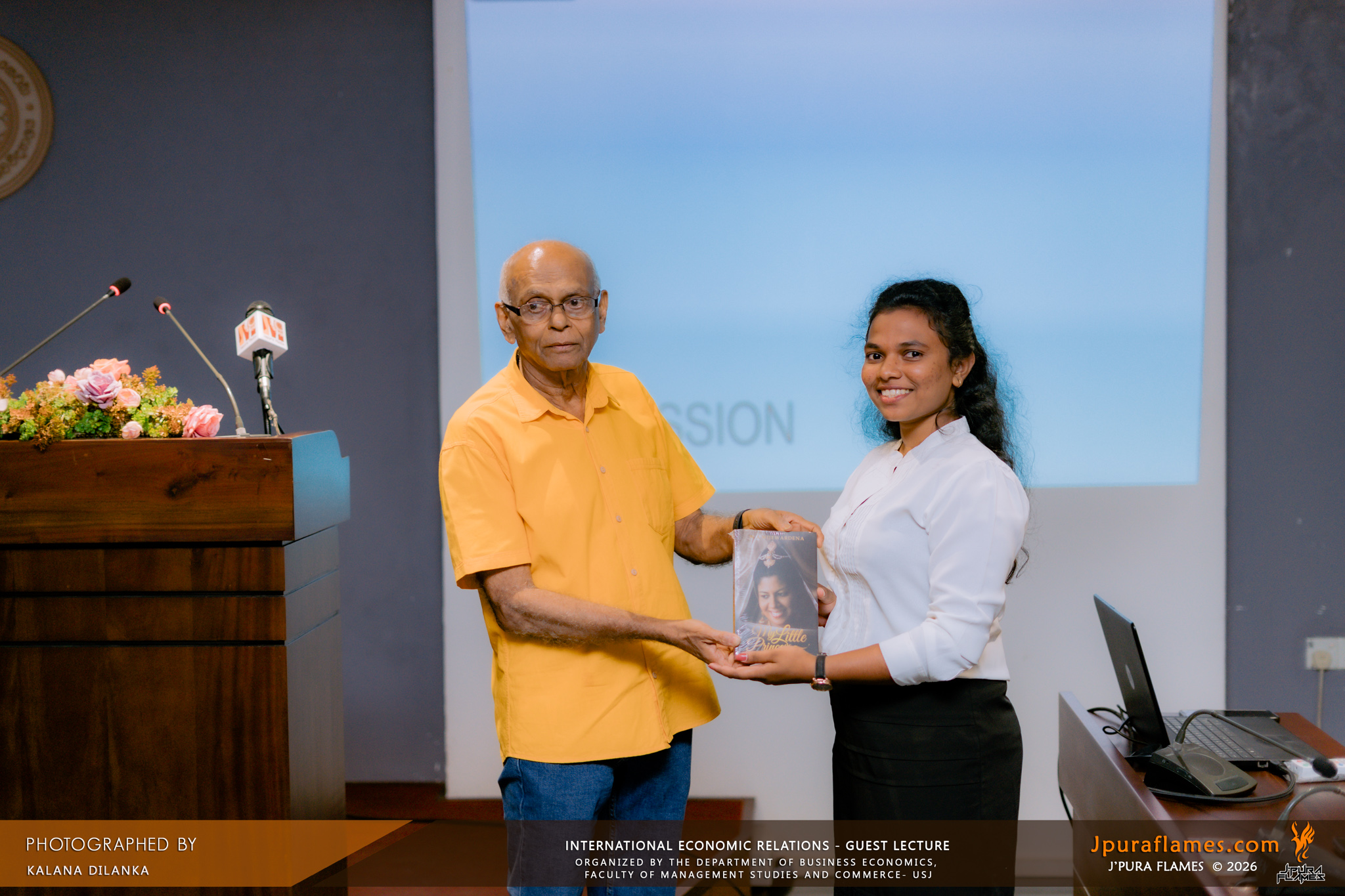
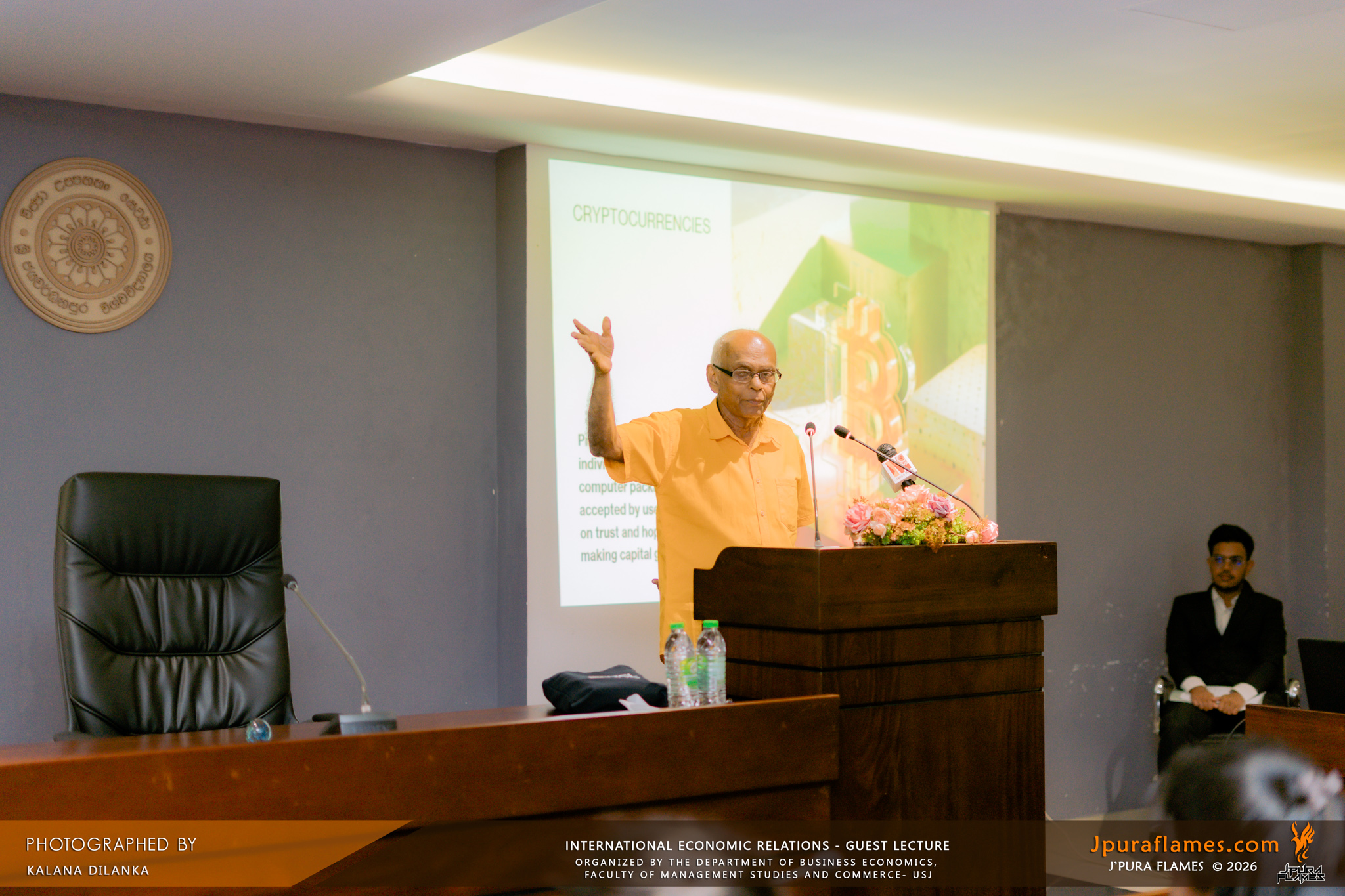
The session featured Dr. W. A. Wijewardena, Former Deputy Governor of the Central Bank of Sri Lanka, a distinguished economist and public intellectual widely recognized for his contributions to monetary policy, international finance, and economic governance. The lecture was delivered on the timely and globally relevant topic “Dollar as a Global Reserve Currency and the Threat from Gold and Cryptocurrencies.”
Welcome and Introduction
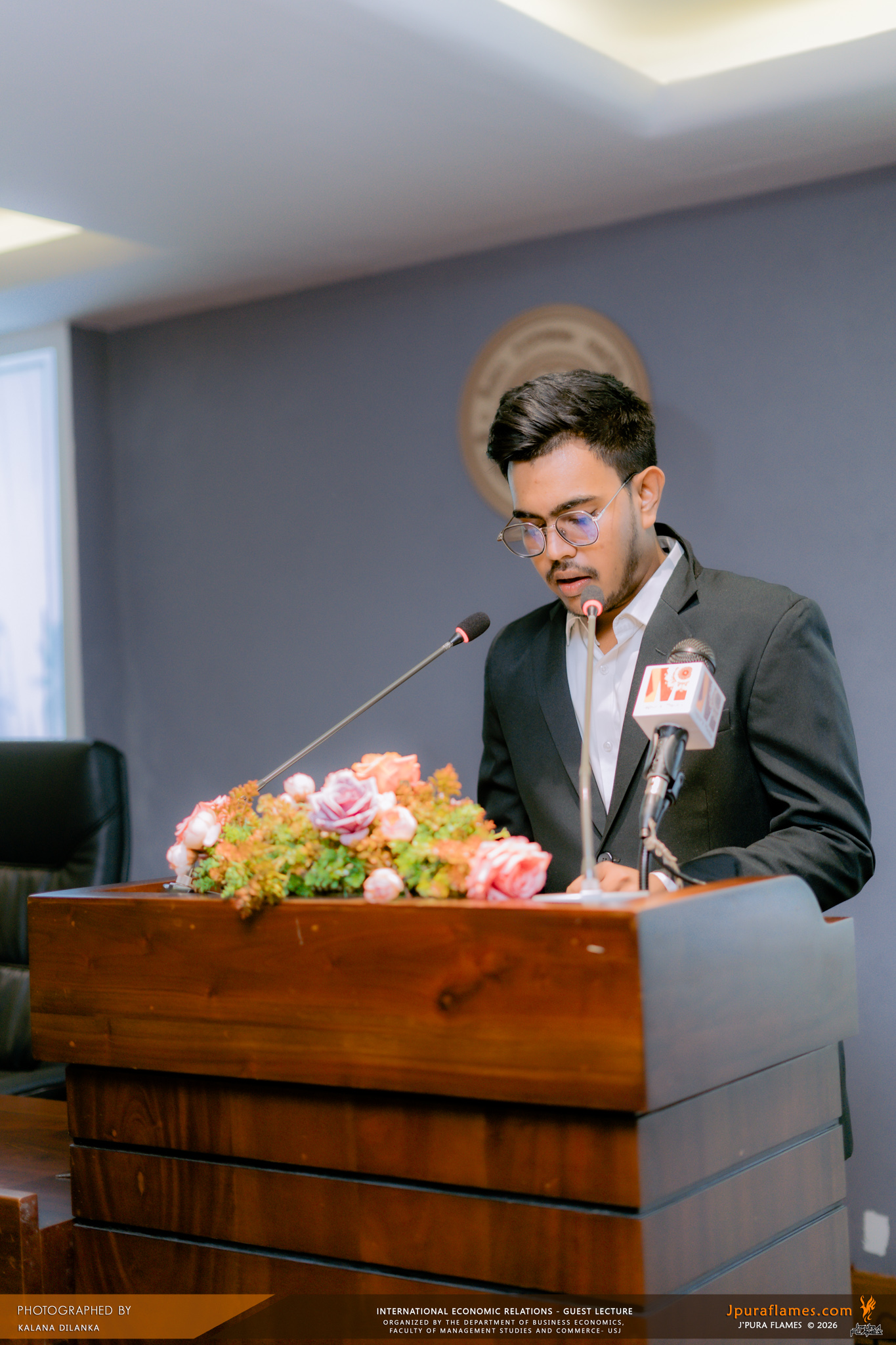
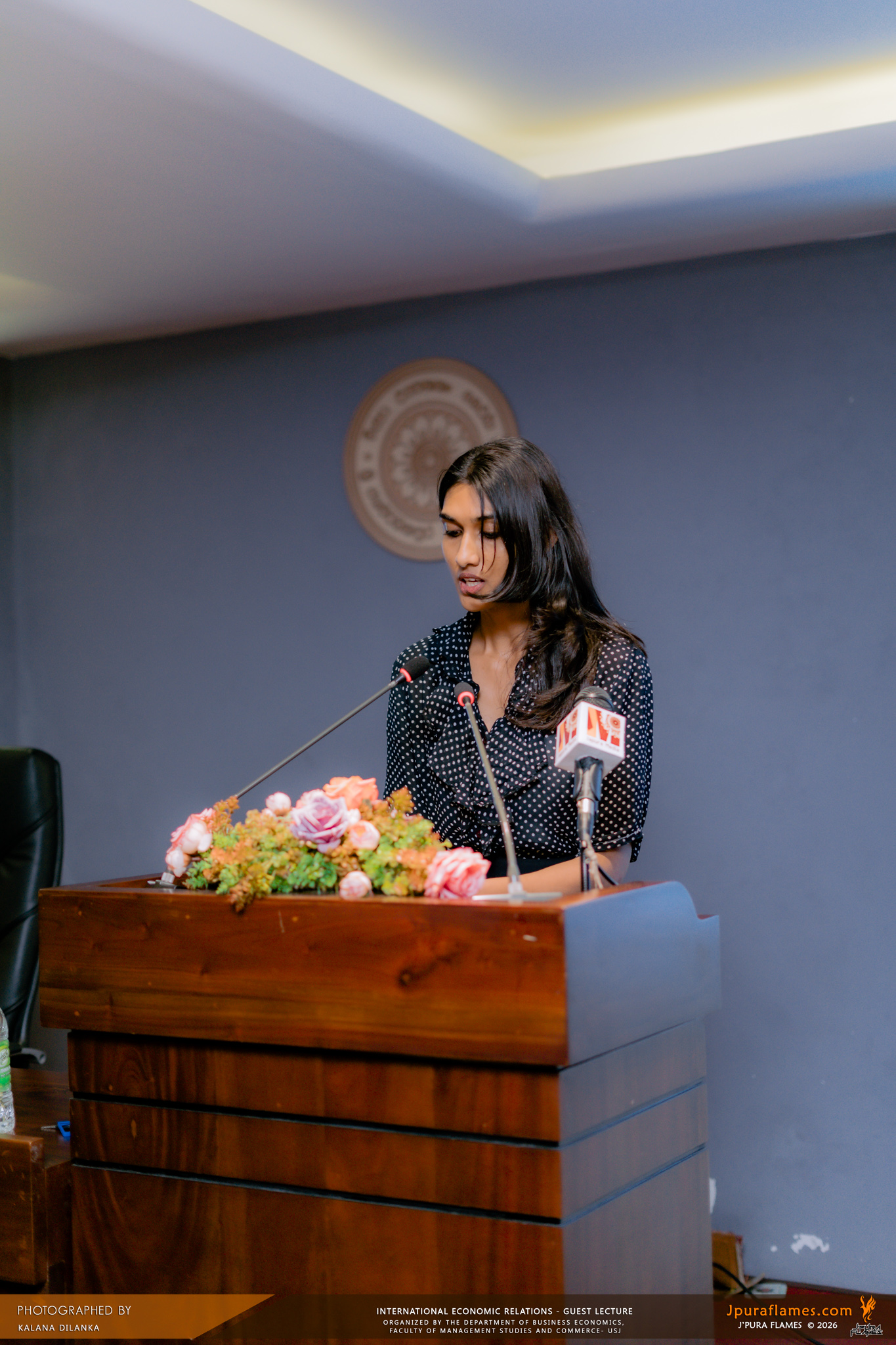
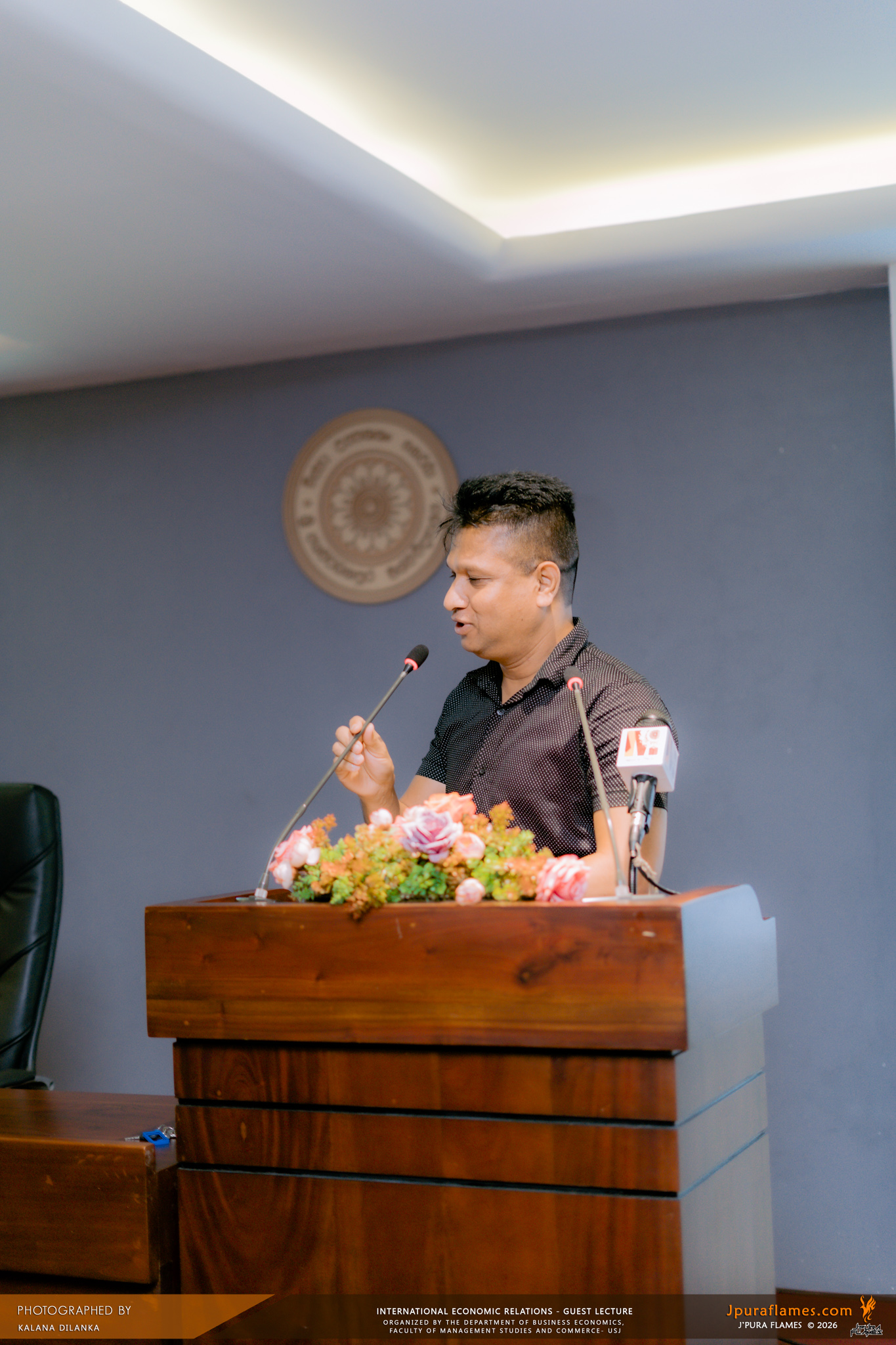
The programme commenced with a welcome speech and formal introduction of the guest speaker by Prof. R. M. A. K. Rathnayaka, Head of the Department of Business Economics. In his opening remarks, Prof. Rathnayaka emphasized the importance of engaging students with contemporary global economic debates and acknowledged Dr. Wijewardena’s long-standing service to Sri Lanka’s central banking system and academia.
Key Themes of the Lecture
In his lecture, Dr. Wijewardena provided an in-depth analysis of the historical dominance of the US Dollar as the world’s primary reserve currency, tracing its evolution from the Bretton Woods system to the post-gold standard era. He highlighted how the dollar’s reserve status has traditionally been anchored in trust, institutional strength, and the economic and geopolitical influence of the United States.
The lecture critically examined emerging threats to dollar hegemony, focusing on the renewed global interest in gold as a store of value and the rapid expansion of cryptocurrencies, particularly Bitcoin. Dr. Wijewardena discussed how rising inflation, geopolitical tensions, policy uncertainties, and technological disruptions have raised questions about the long-term credibility of the dollar. He also evaluated whether cryptocurrencies and gold represent genuine alternatives to the dollar or function mainly as speculative and complementary assets within the existing international monetary system.
Special attention was given to the implications of these global monetary shifts for developing and emerging economies, including Sri Lanka, particularly in terms of exchange rate stability, reserve management, trade settlements, and financial sovereignty.
Interactive Q&A Session
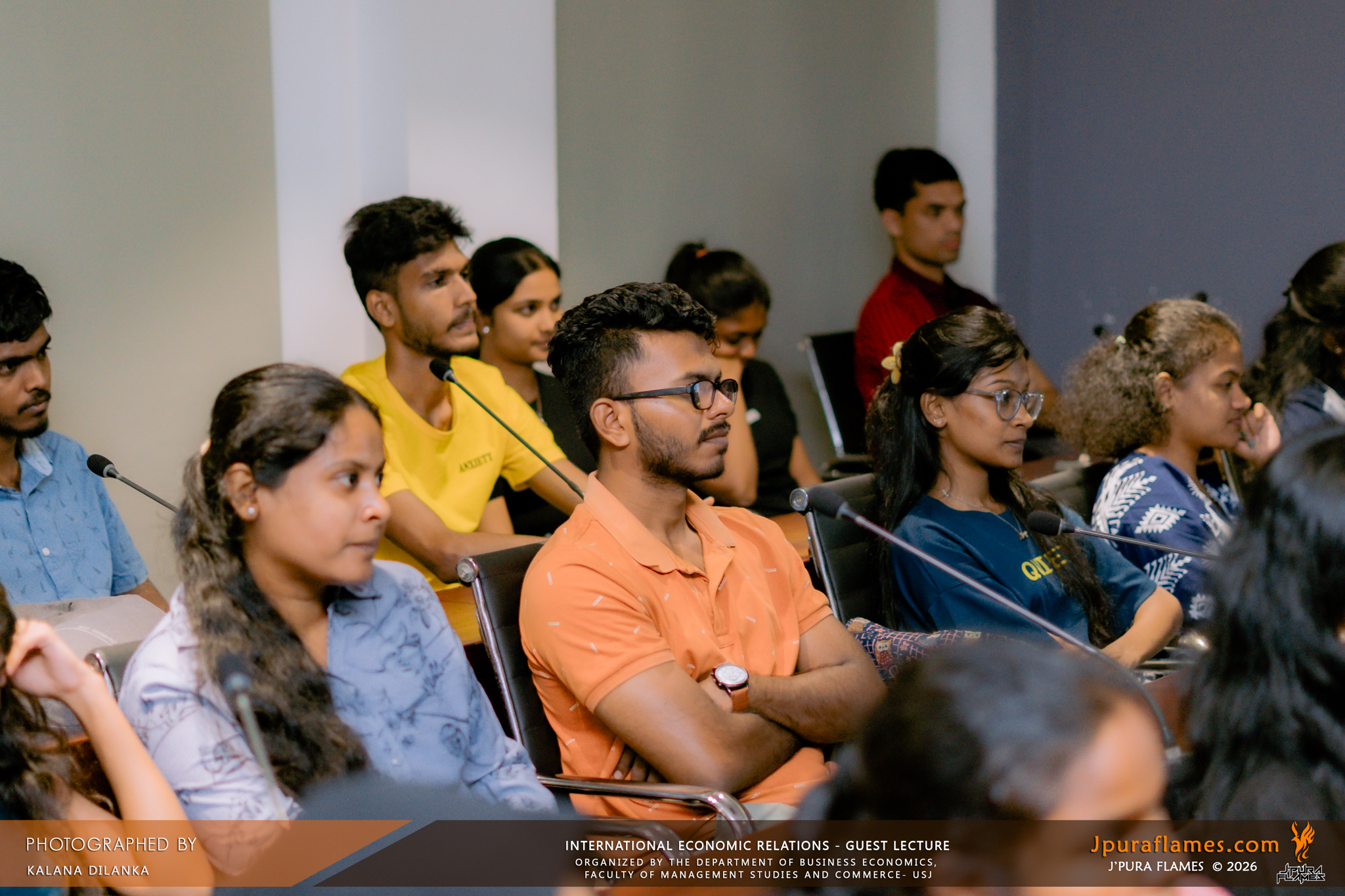
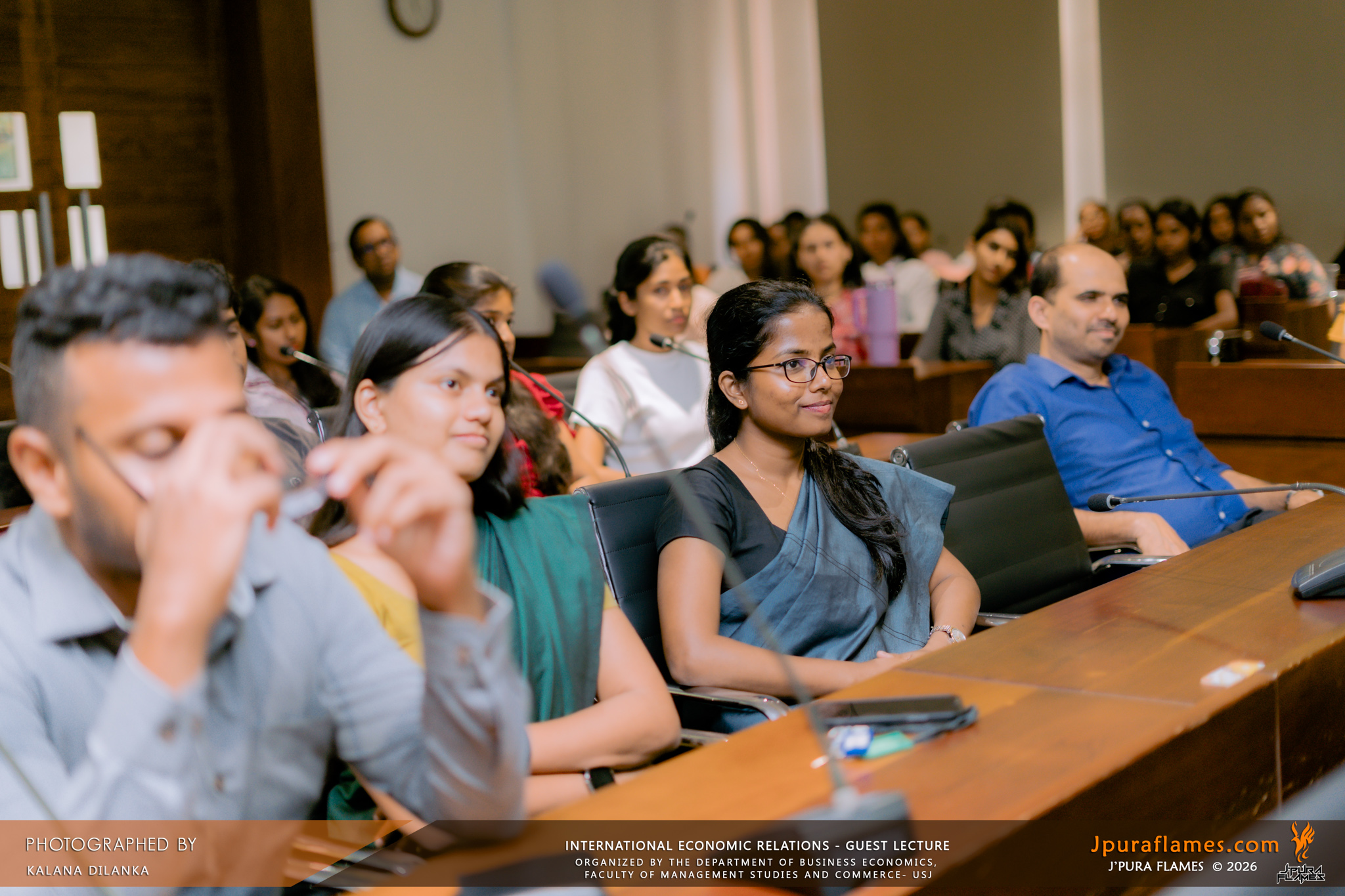
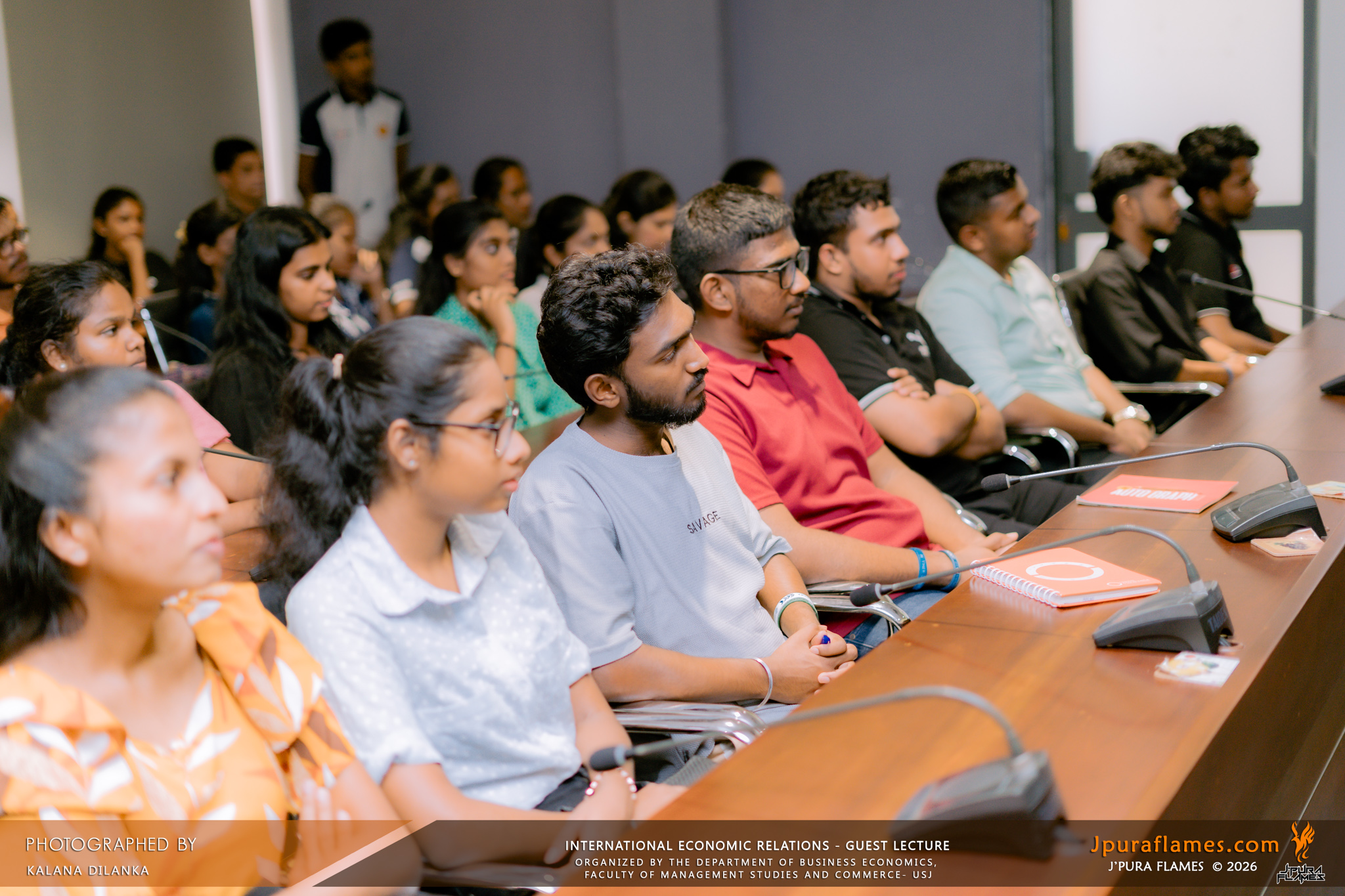
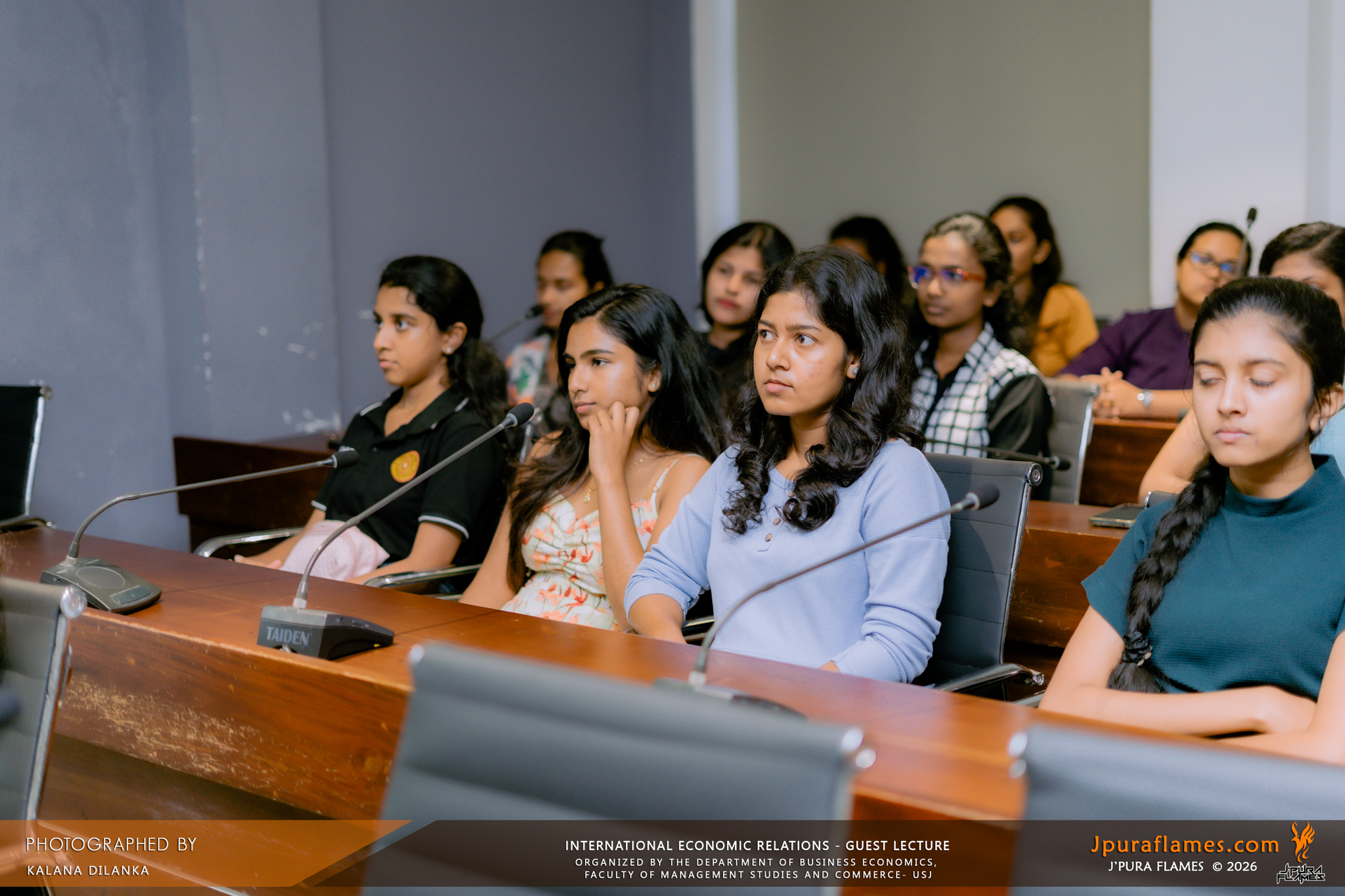
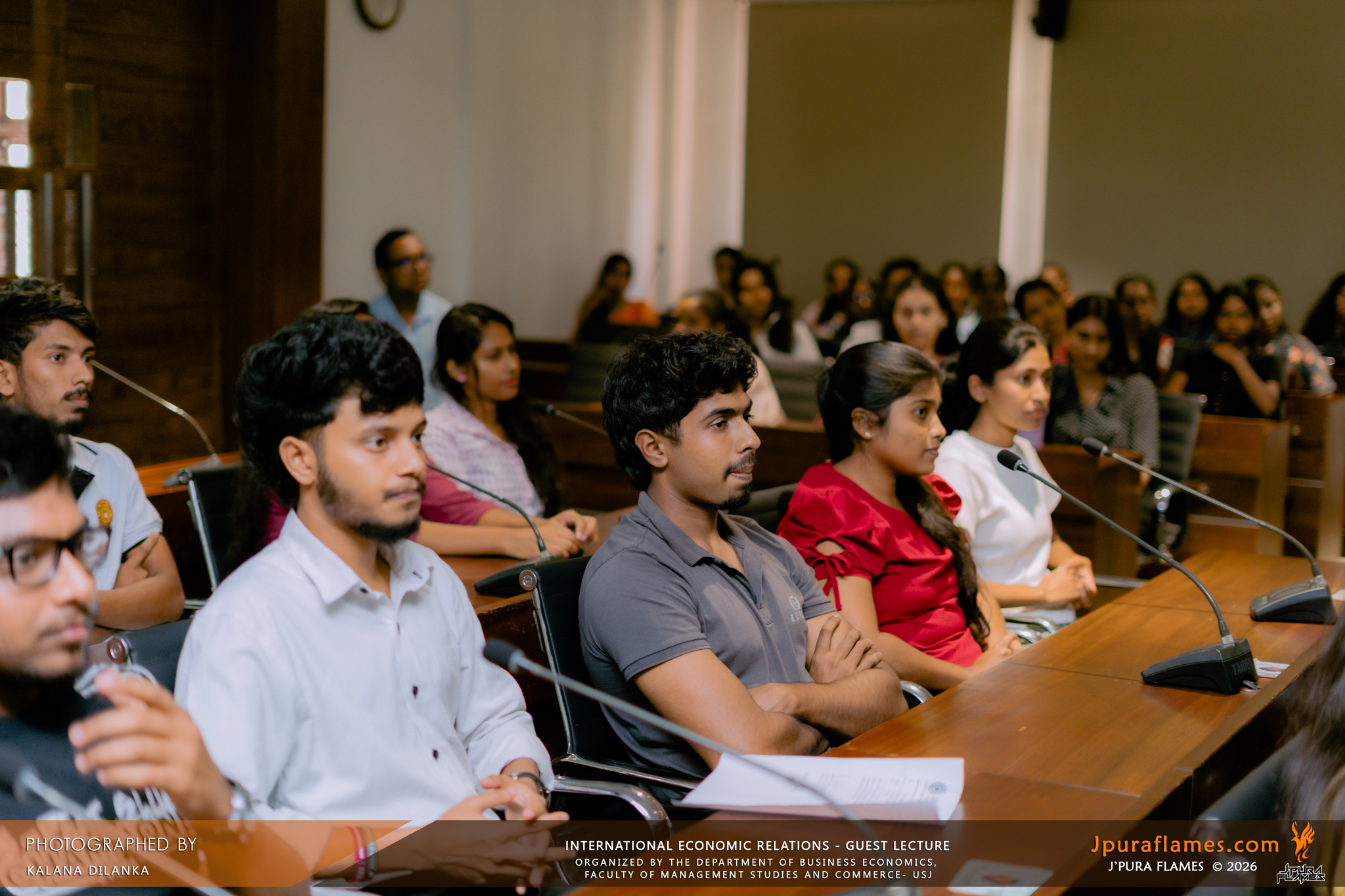
The lecture was followed by an engaging Question and Answer session, during which students actively raised questions on topics such as de-dollarization, central bank digital currencies (CBDCs), gold-backed monetary systems, and the future of international reserve currencies. Dr. Wijewardena’s responses offered valuable clarity and practical insights, further enhancing students’ understanding of complex global financial dynamics.
Token of Appreciation and Conclusion
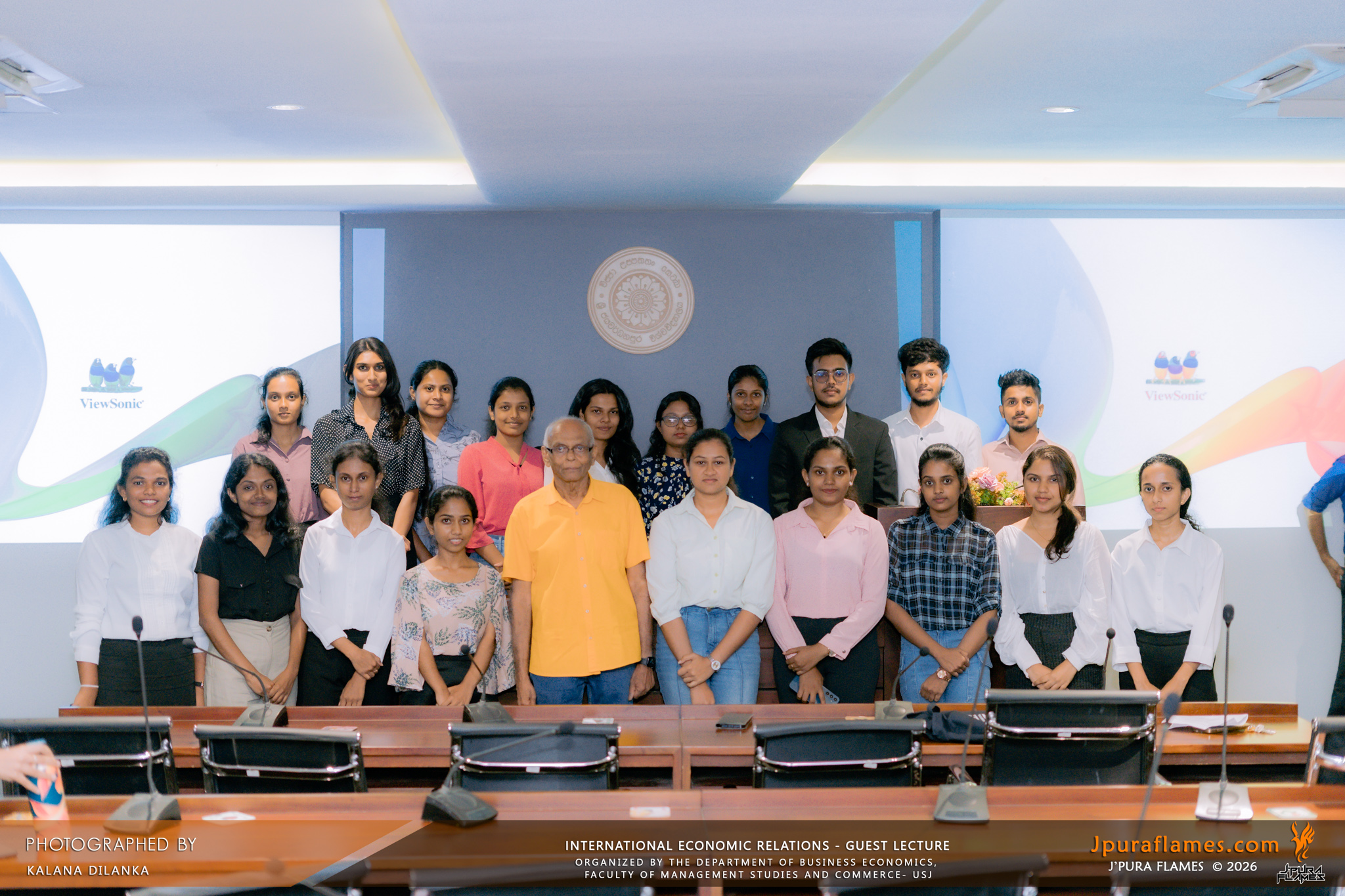
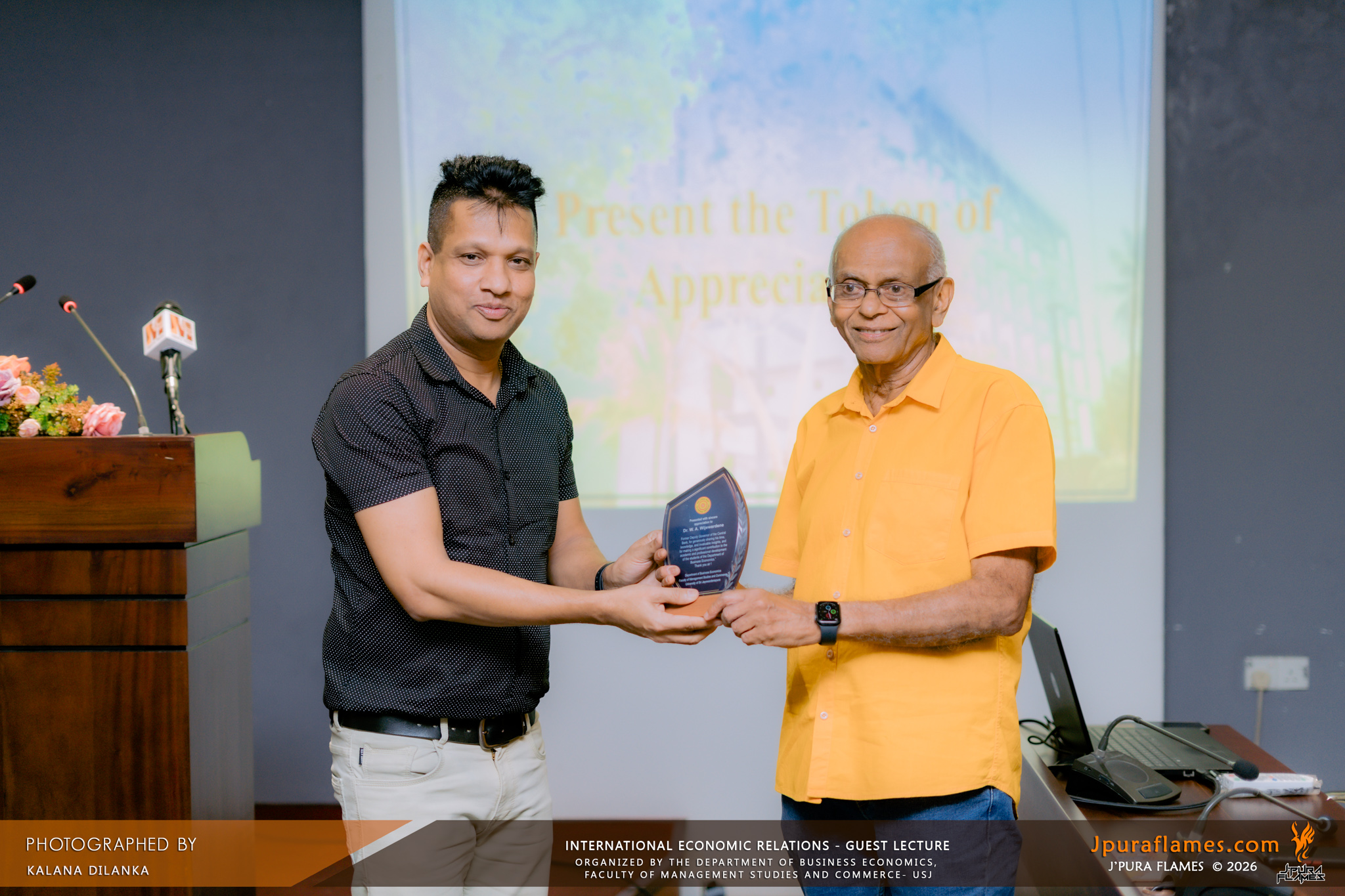
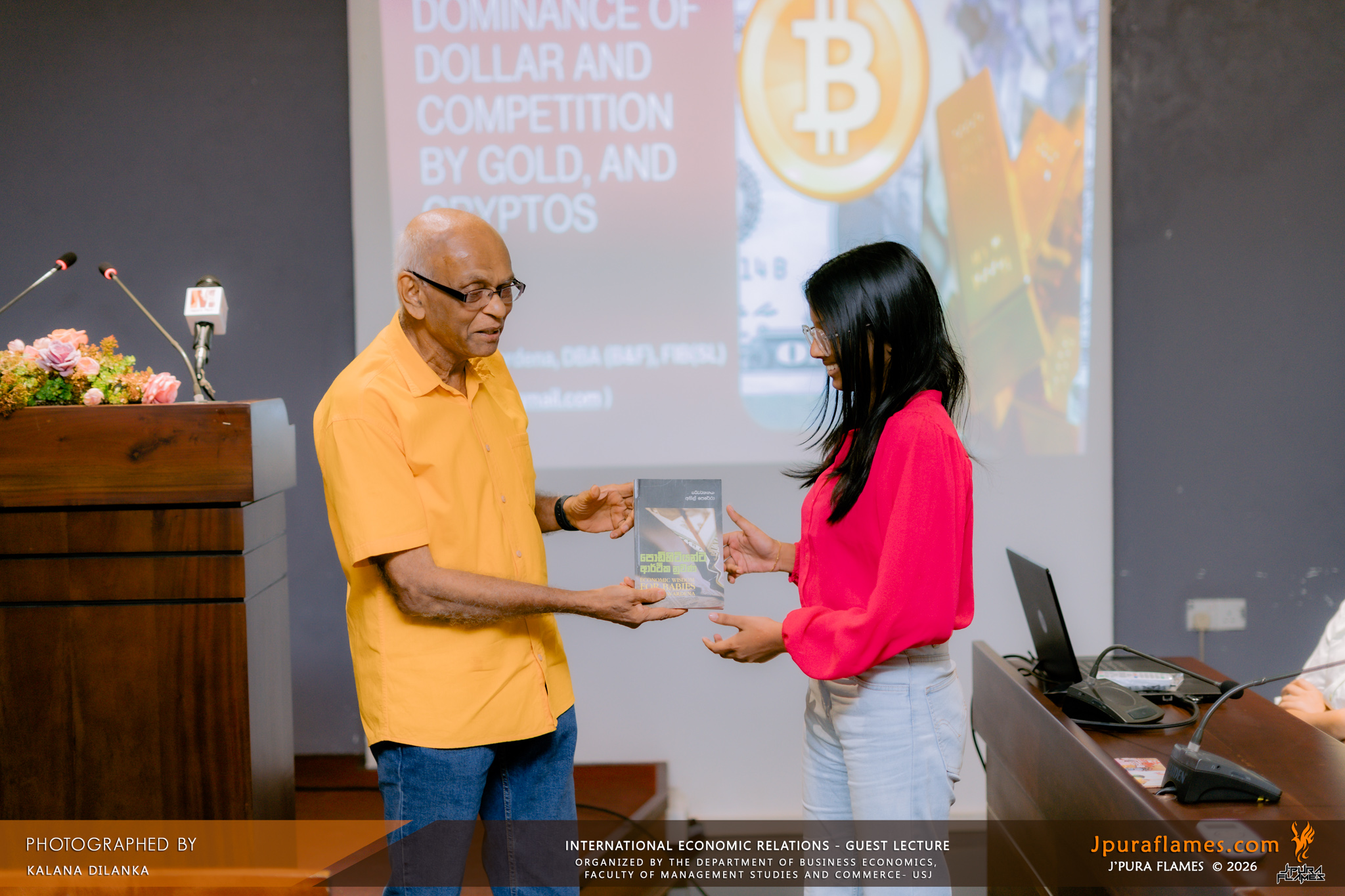
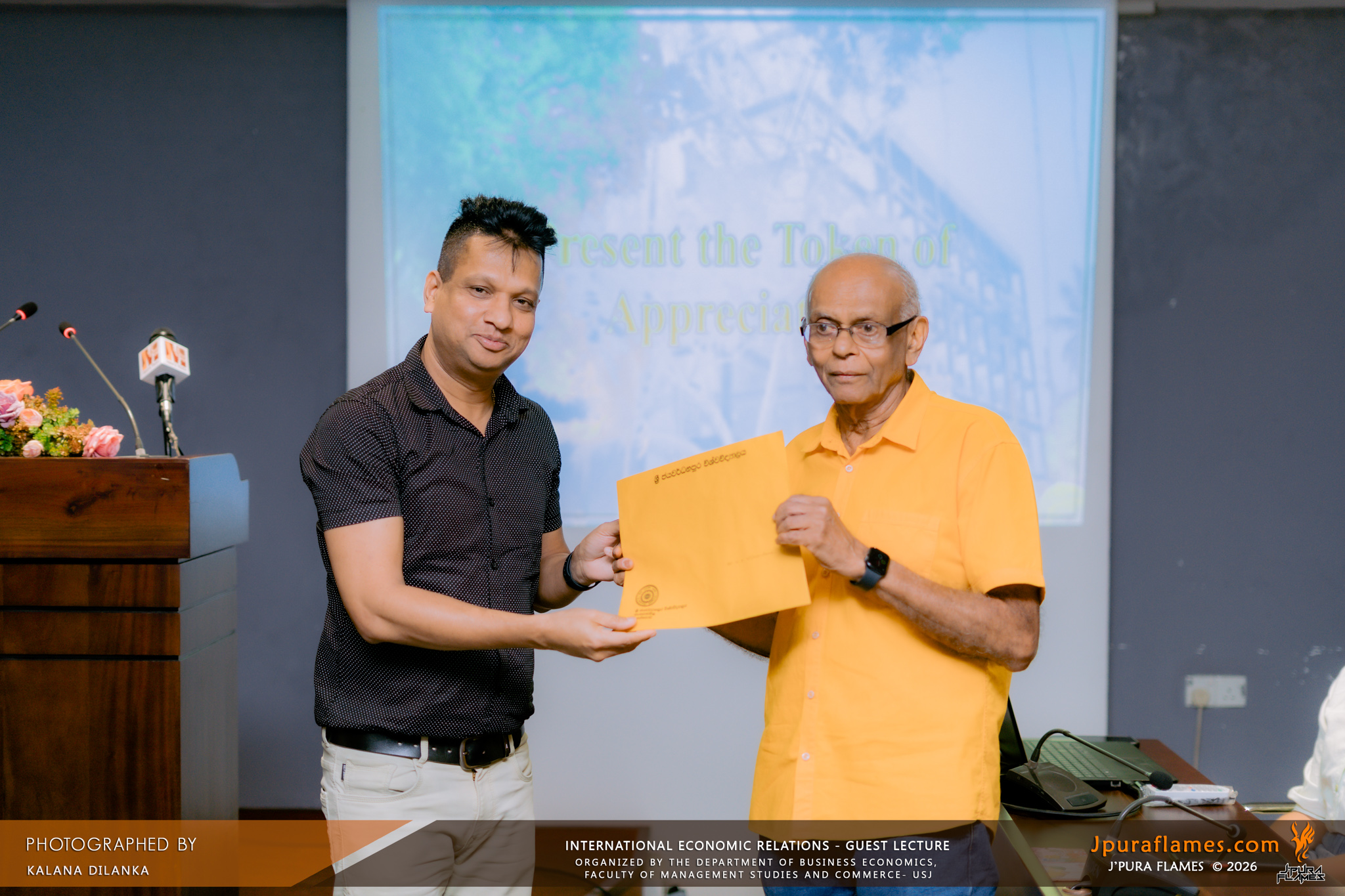
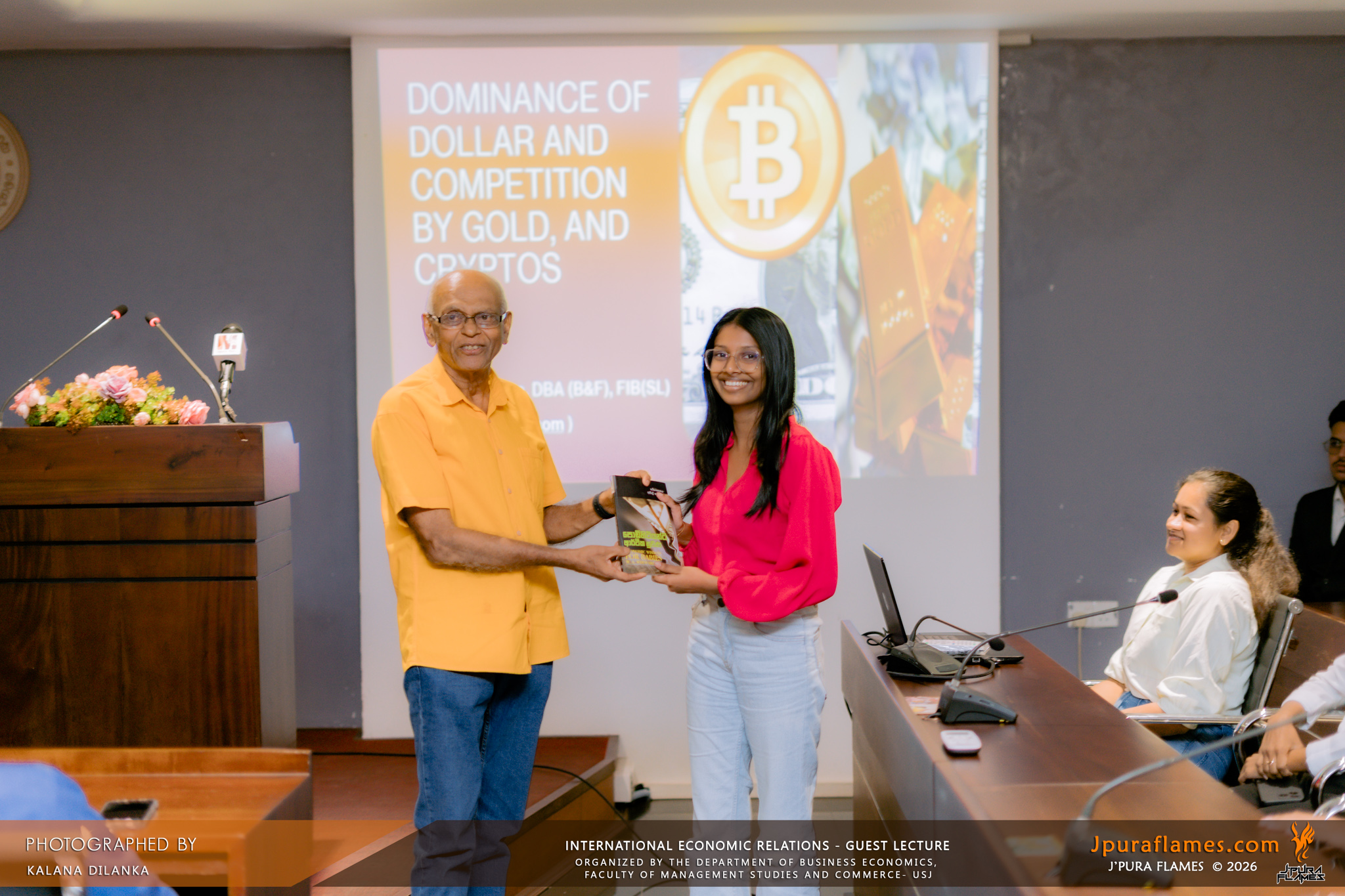
At the conclusion of the session, a token of appreciation was presented to Dr. W. A. Wijewardena by Prof. R. M. A. K. Rathnayaka, Head of the Department of Business Economics, in recognition of his valuable contribution to student learning and academic discourse. The event concluded with a vote of thanks, appreciating the guest speaker, academic staff, and participating students.
Concluding Remarks The guest lecture was an intellectually stimulating and highly informative academic event that significantly enriched the learning experience of students following International Economic Relations. The Department of Business Economics extends its sincere gratitude to Dr. W. A. Wijewardena and looks forward to organizing similar engagements that bridge economic theory with real-world global developments.