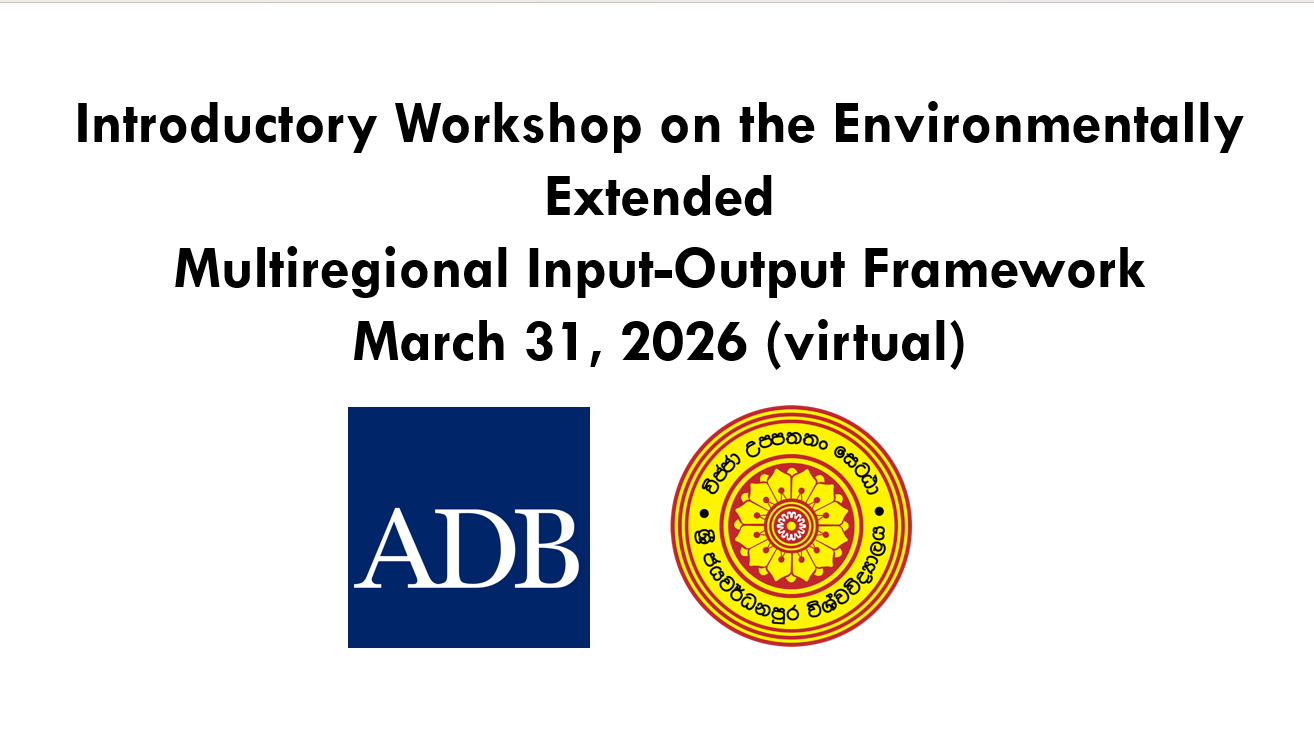
Introductory Workshop on the Environmentally Extended Multiregional Input-Output (EE-MRIOT) Framework
The Research Center for Business Economics and Development Studies, Faculty of Management Studies and Commerce, University of Sri Jayewardenepura, successfully launched a two-stage workshop series on Input–Output Analysis and Post-Disaster Climate and Economic Impacts, in collaboration with the Asian Development Bank (ADB).
This initiative reflects the university’s continued commitment to strengthening research capacity, policy relevance, and data-driven learning in the fields of environmental and development economics.
Stage 1: Virtual Workshop on EE-MRIOTs (ADB Statistics)
Theme: Environmentally Extended Multiregional Input–Output Tables (EE-MRIOTs)
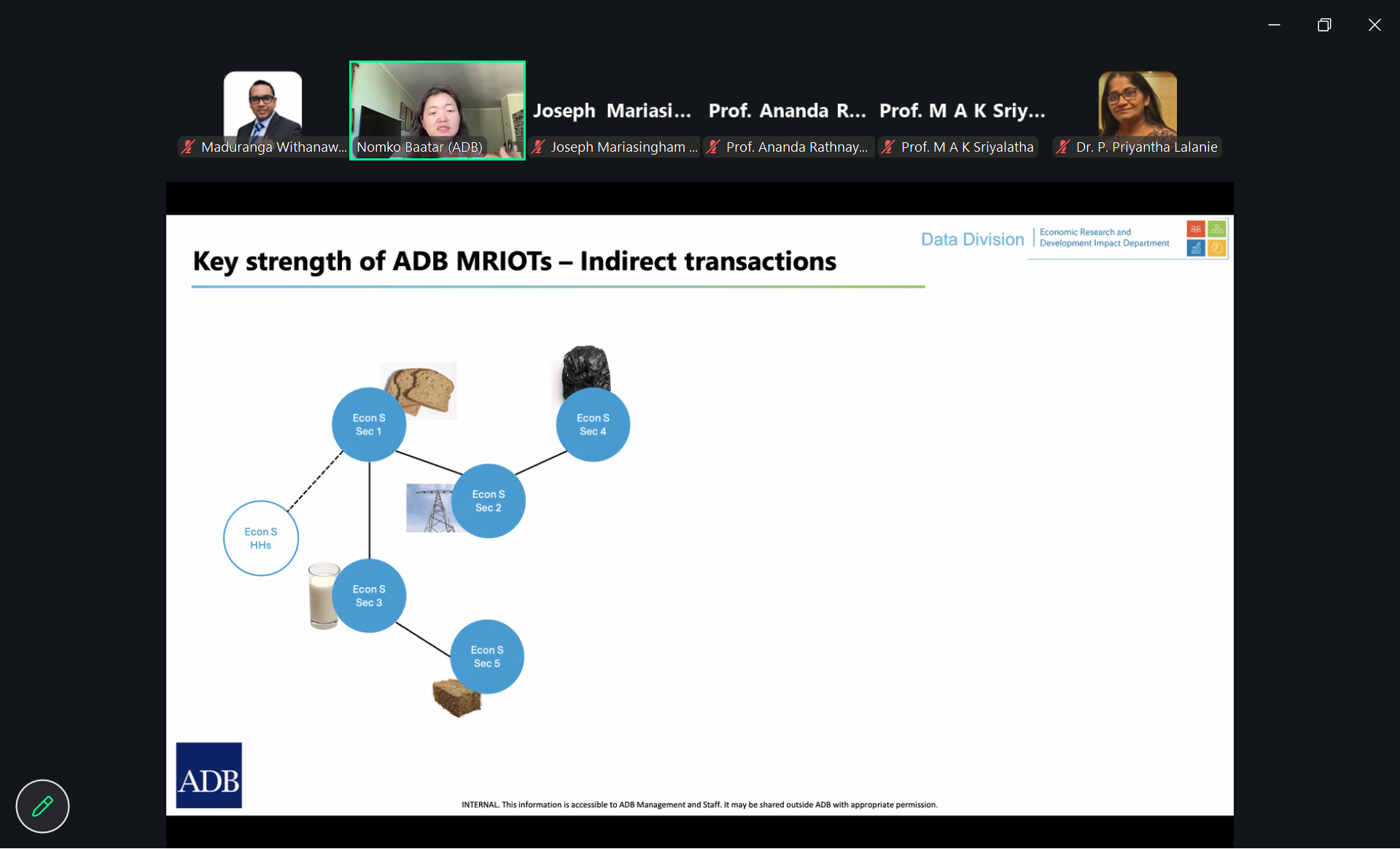
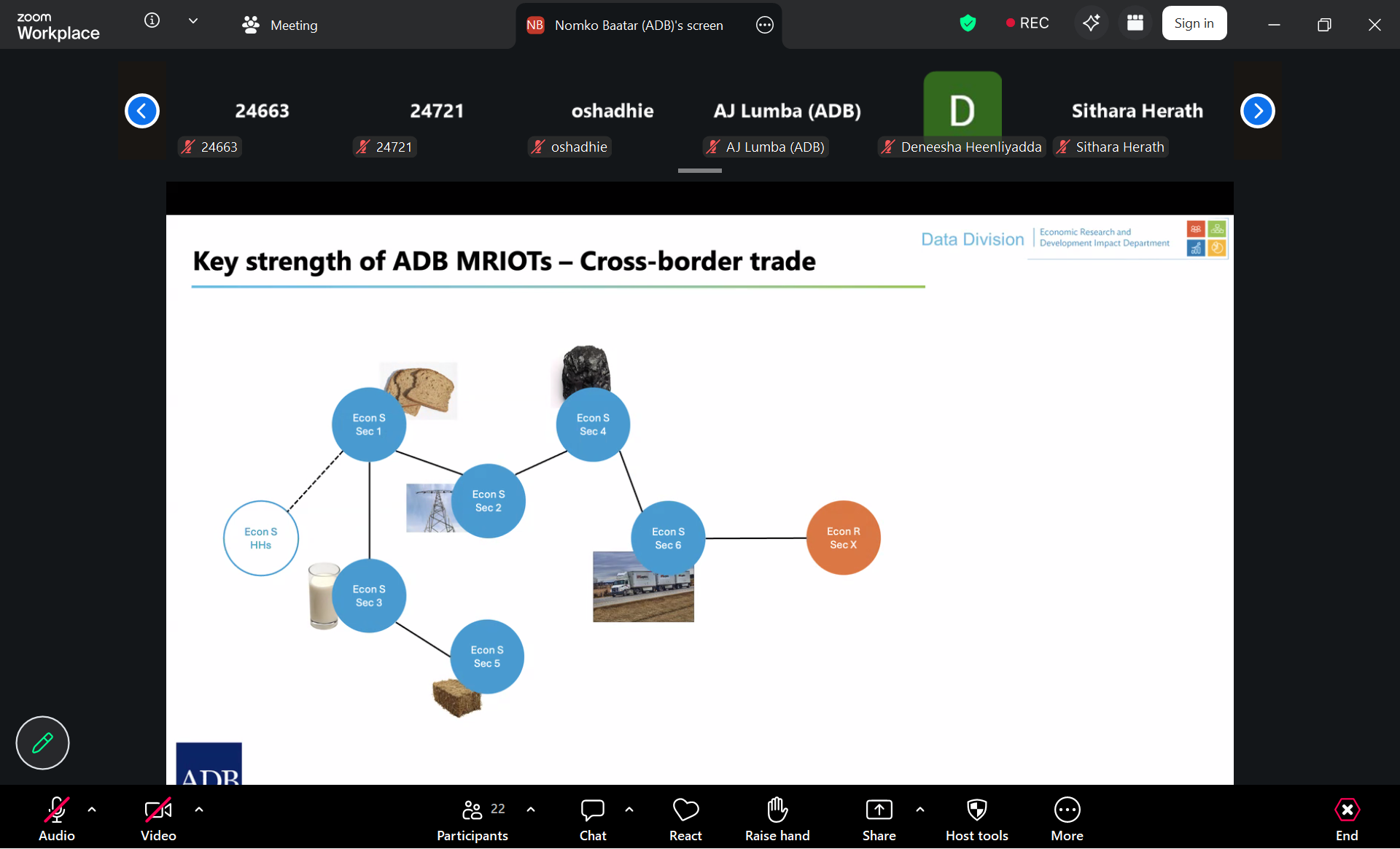
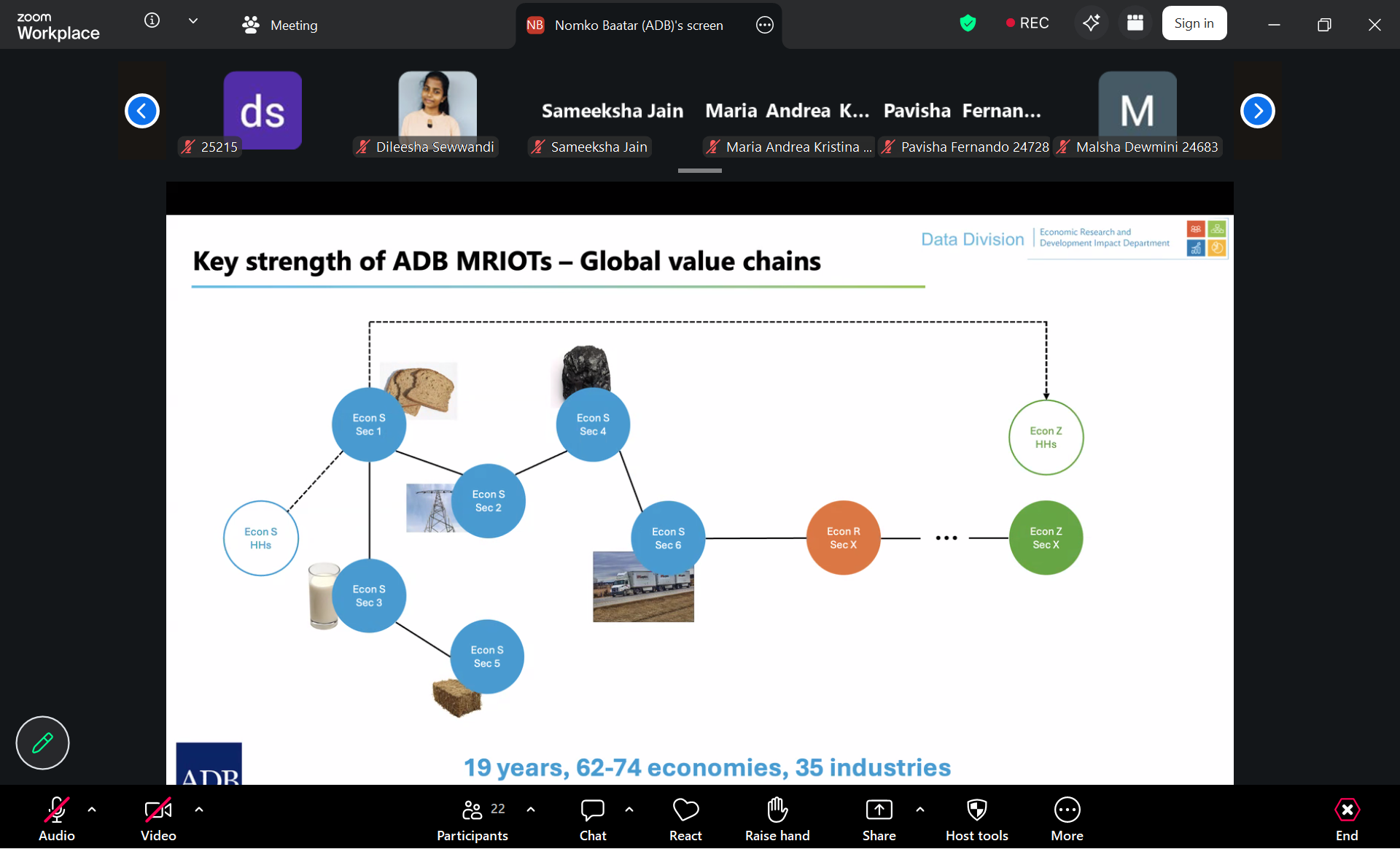
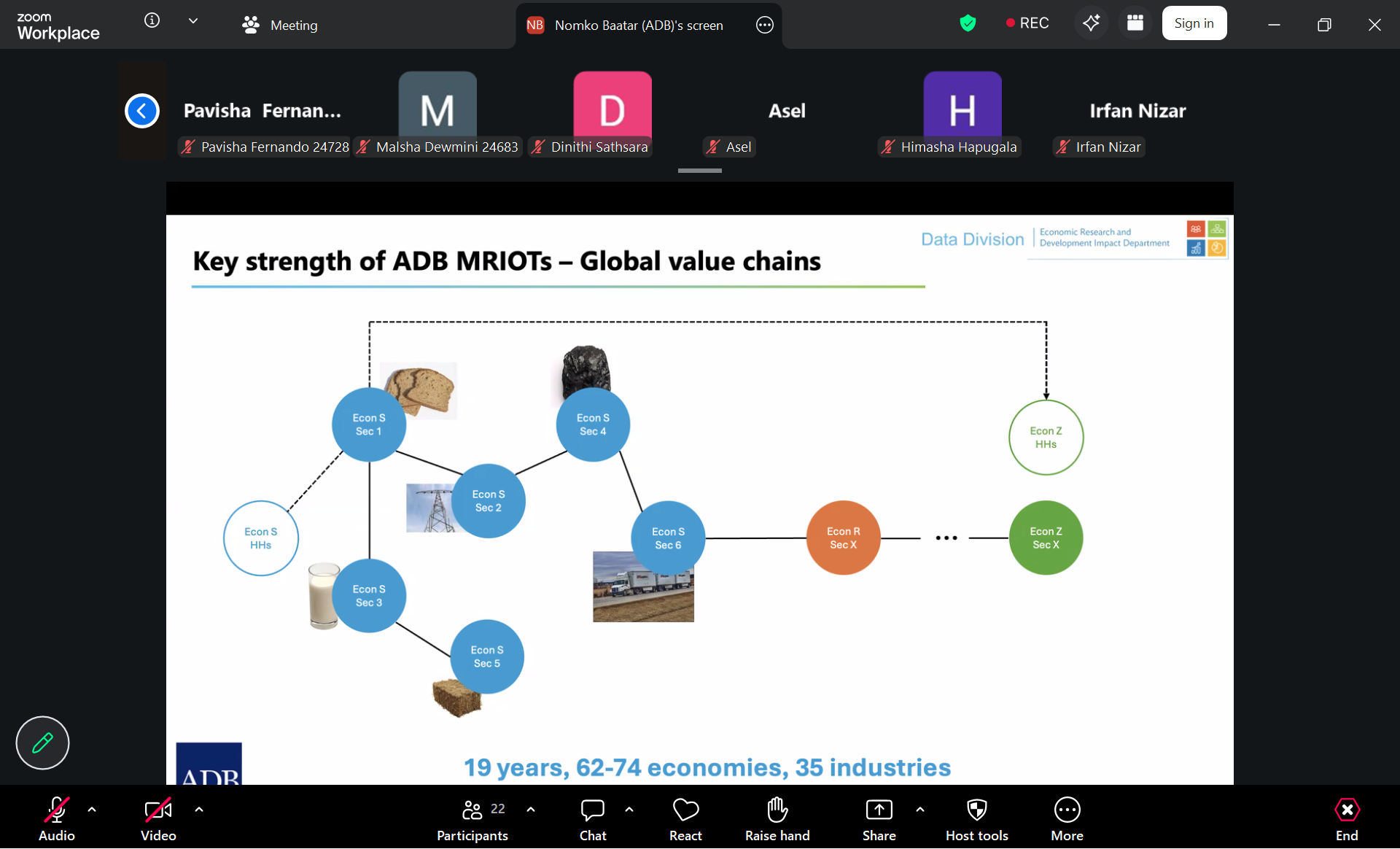
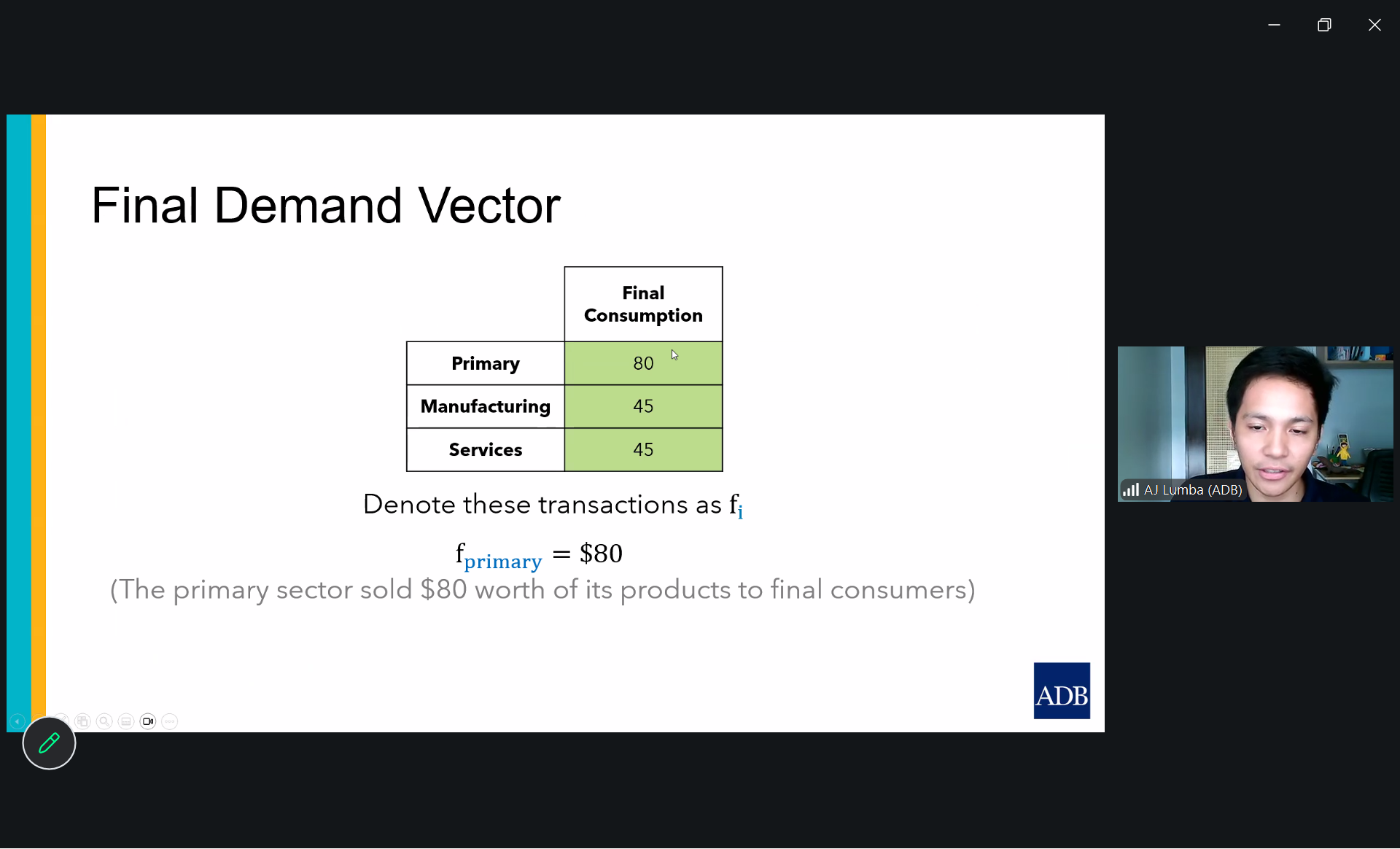
The first stage of the series featured an introductory virtual workshop on the Environmentally Extended Multiregional Input-Output (EE-MRIOT) framework, a cutting-edge analytical tool used to examine the complex interactions between economic systems and environmental impacts.
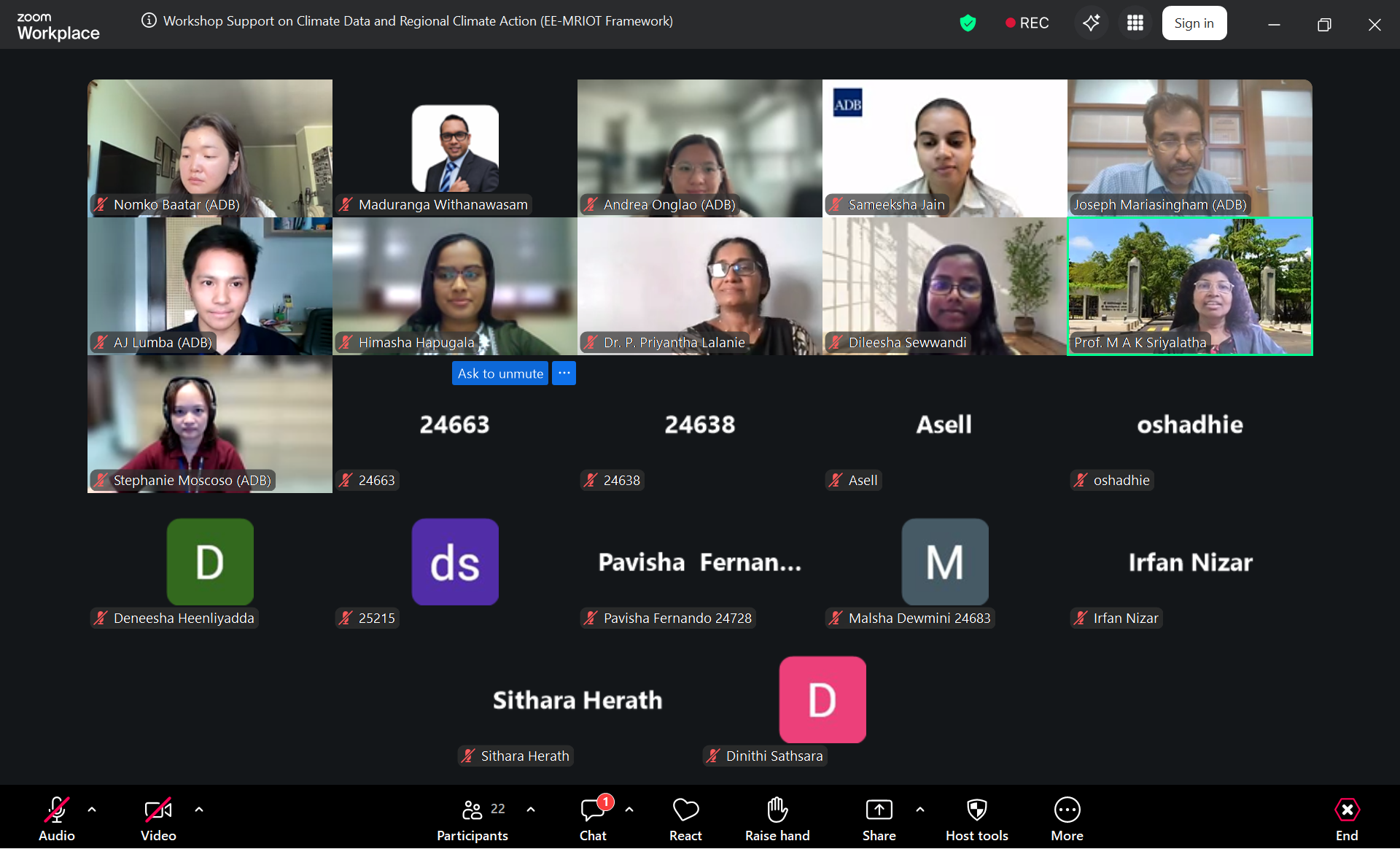
The session was facilitated by:
- Mahinthan Joseph Mariasingham, Principal Statistician, Economic Research and Development Impact Department, ADB
The workshop was further enriched by the participation of a distinguished panel of experts joining online:
- Nomundari Baatar
- Sameeksha Jain
- Angelo Jose Lumba
- Maria Andrea Kristina Onglao
Their insights and expertise provided valuable global and regional perspectives, significantly enhancing the academic depth of the session.
Purpose of the Workshop
The workshop was designed as a research-oriented learning activity for Environmental Economics students, aiming to strengthen analytical and empirical understanding of post-disaster climate and economic impacts, particularly within Sri Lanka and the broader Asia-Pacific region.
Key objectives included:
- Introducing the EE-MRIOT framework as a powerful tool for analyzing environmental-economic linkages
- Providing Asia-Pacific and Sri Lanka–specific insights, based on recent empirical research conducted in 2025
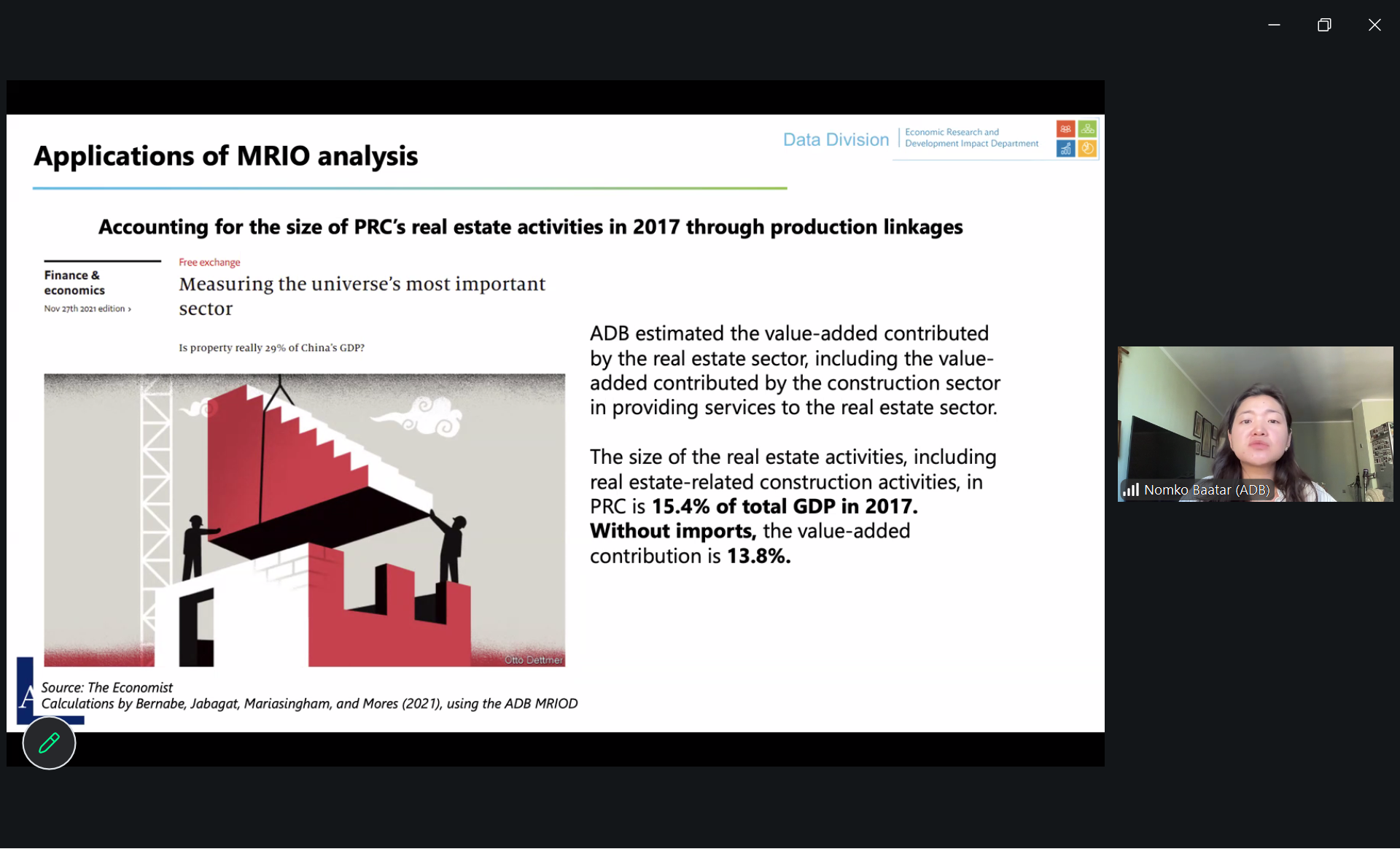
- Exploring policy applications such as carbon pricing, international trade dynamics, and digitalization
- Highlighting opportunities for regional cooperation in addressing climate challenges
Significance of the Workshop
In an era where climate change and disaster risks increasingly influence economic systems, the importance of data-driven policymaking has become paramount.
The workshop, themed “The Role of Data in Regional Climate Action,” emphasized the integration of academic knowledge, empirical research, and policy application.
By engaging with advanced frameworks such as EE-MRIOT, students gained practical exposure to:
- Measuring environmental impacts across global supply chains
- Understanding post-disaster economic disruptions
- Designing evidence-based strategies for sustainable development
This is particularly crucial for vulnerable economies like Sri Lanka, where climate resilience and informed policy decisions are key to long-term economic stability.
Academic Leadership and Contributions
The event also featured key academic contributions:
- Prof M. A. K. Sriyalatha delivered the Welcome Address, highlighting the importance of integrating research and teaching
- Prof R. M. A. K. Rathnayaka elaborated on the significance of the workshop for the Department of Business Economics
- Dr P. P. Lalanie delivered the Vote of Thanks, acknowledging the contributions of ADB and all participants
- Dr M.P.K.Withanawasam Coordinator of Sri Lanka
Looking Ahead: Stage 2
Following the success of the initial session, the second stage of the workshop series will focus on post-disaster climate and economic impacts, with particular attention to Sri Lanka’s recent experiences and regional policy implications.
Conclusion
This collaborative initiative between the University of Sri Jayewardenepura and the Asian Development Bank represents a significant step toward capacity building in environmental-economic analysis. By equipping students with advanced analytical tools such as EE-MRIOT, the program contributes to developing a new generation of economists capable of addressing complex climate, disaster, and development challenges through data-driven insights and policy innovation.