Foreign Study Tour of Master’s Degree Students
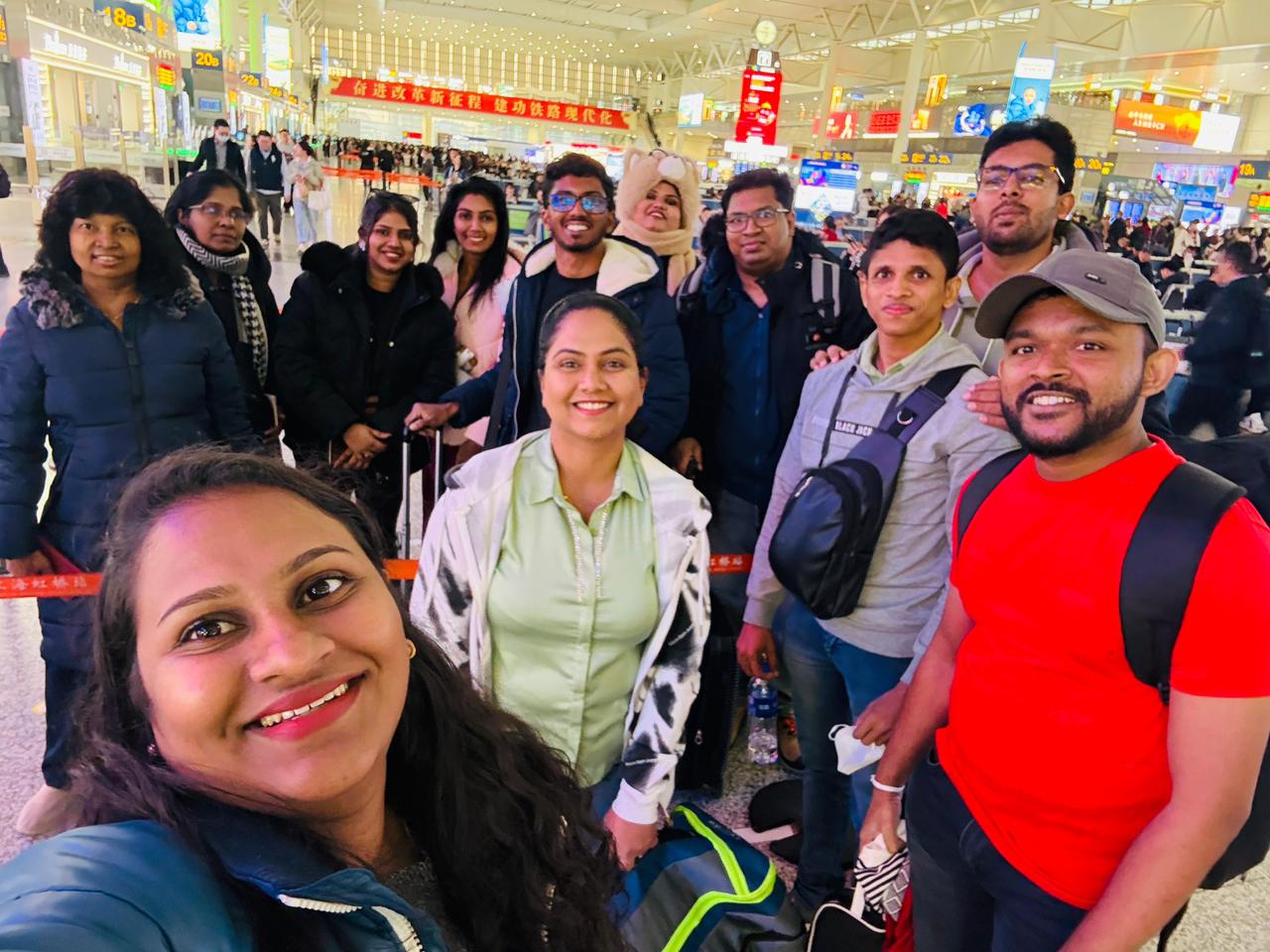
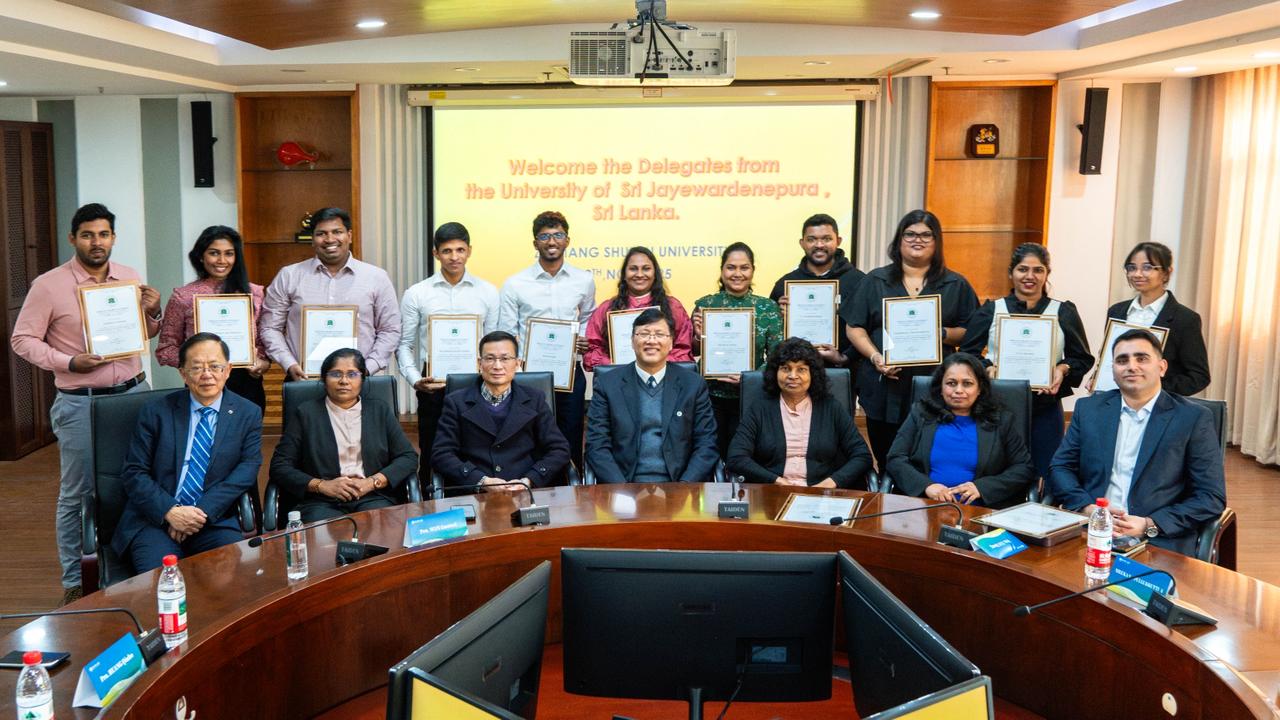
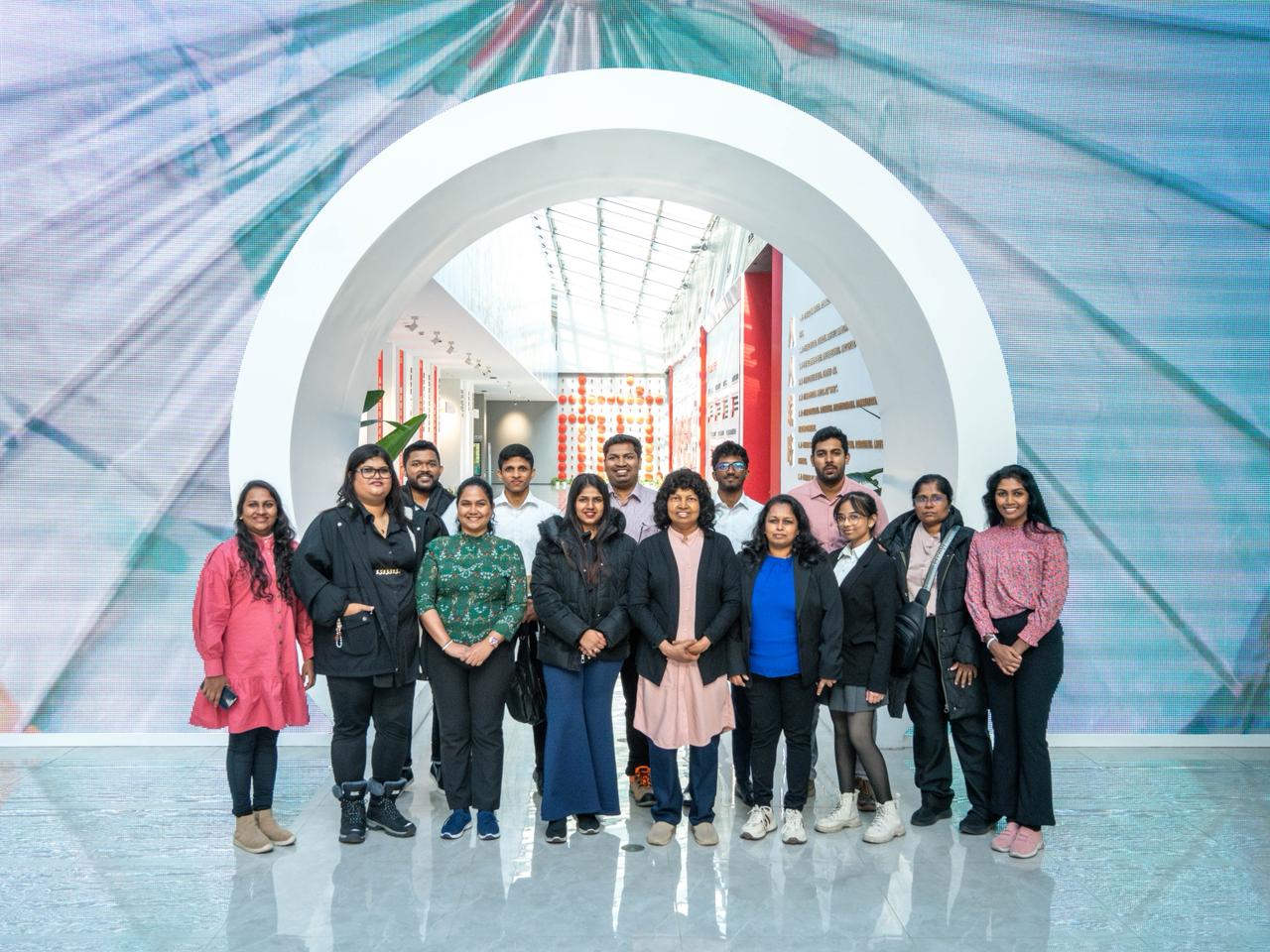
The Postgraduate Center for Business Studies successfully organized a foreign study tour to China for the Master of Business Economics and M.Sc. in Business Economics students from 24th to 30th November 2025. A key highlight of the tour was the academic engagement with Zhejiang Shuren University, where the delegation received a warm welcome from the Faculty of Management and Economics. Students participated in presentations on Hangzhou’s history, culture, and economic development, and also attended research presentations conducted by Shuren University students focusing on Sri Lanka. This academic exchange created an important platform for mutual learning and opened discussions on future collaboration, including joint research, academic partnerships, and postgraduate development initiatives.
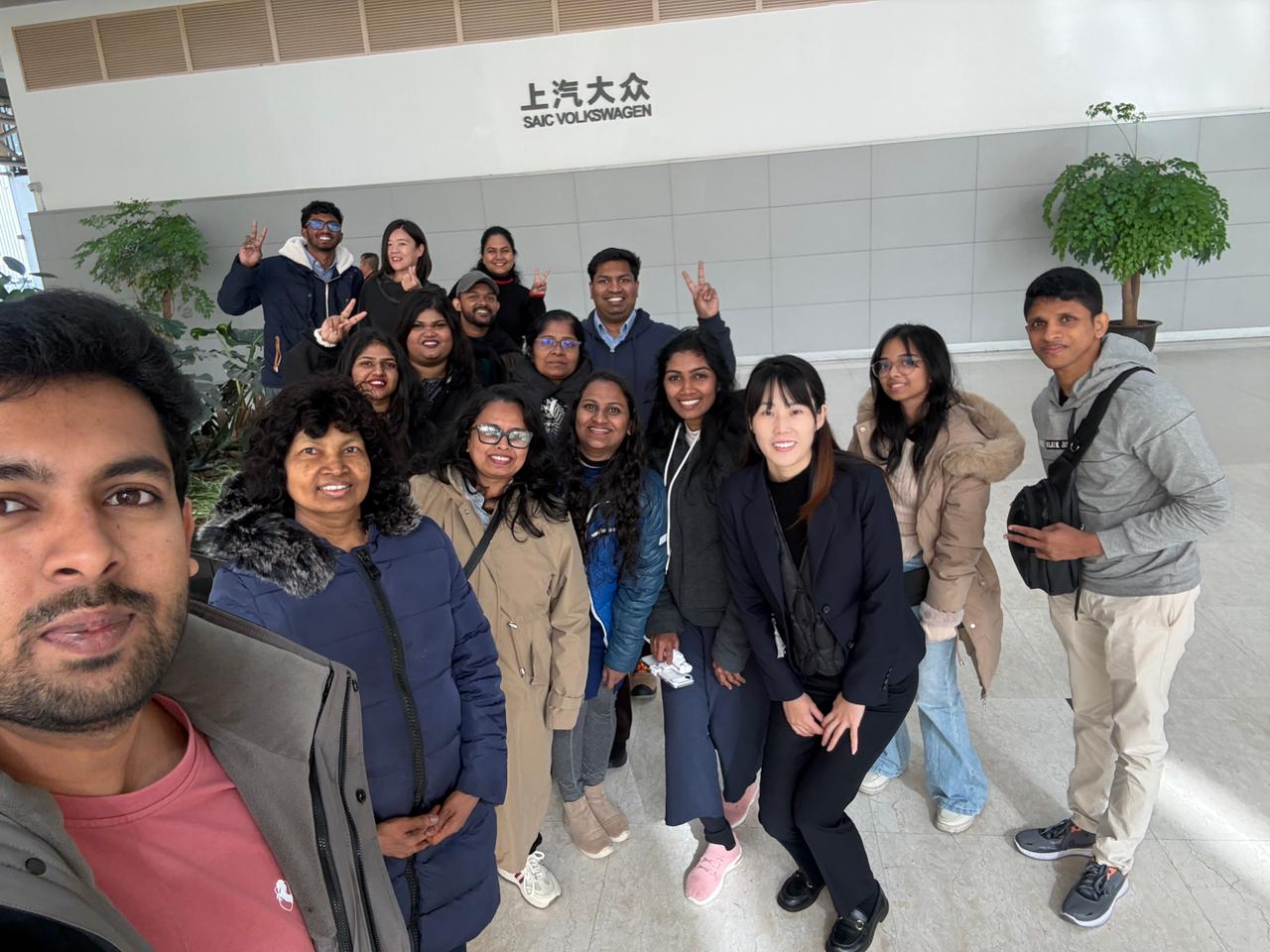
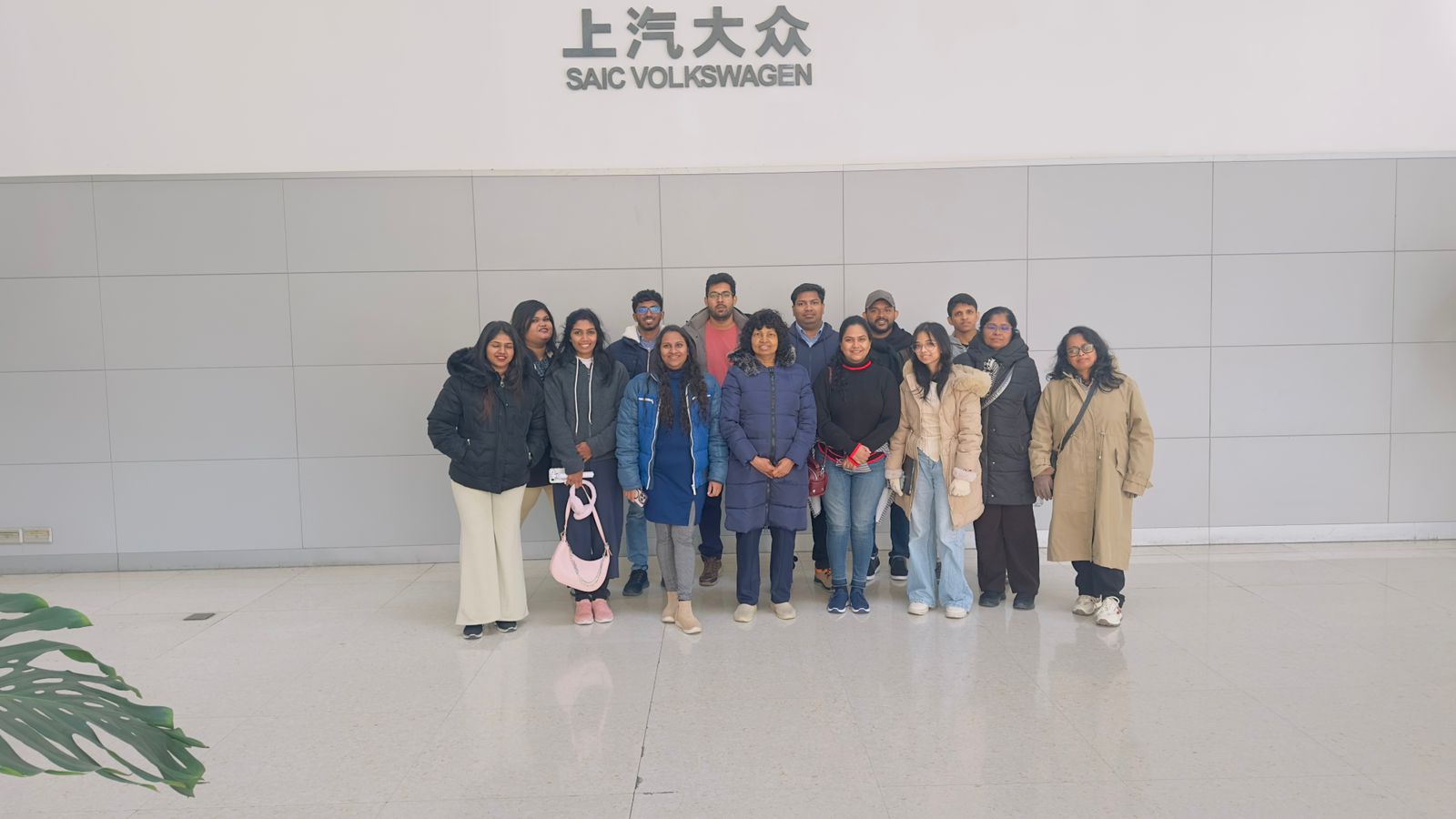
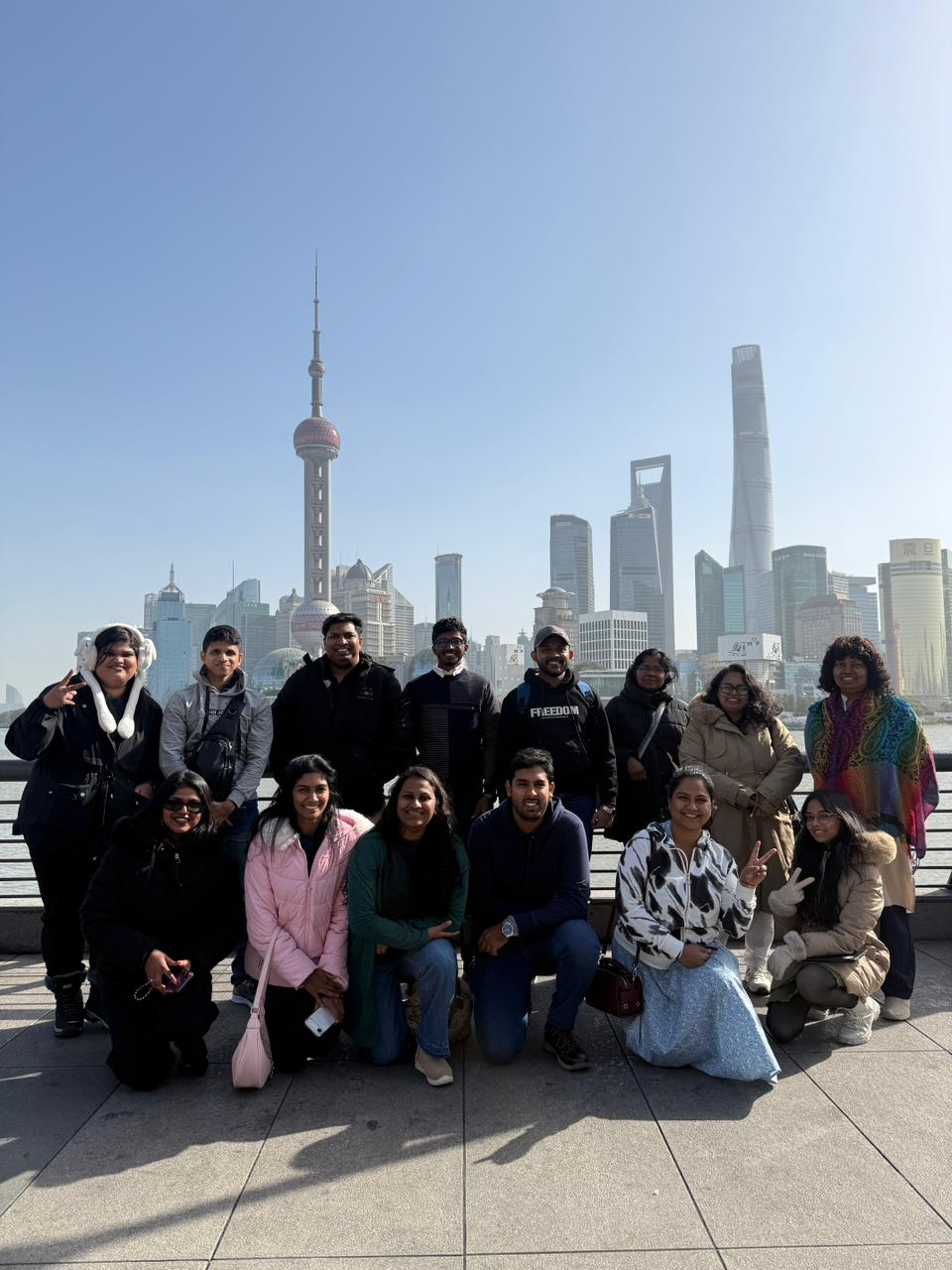
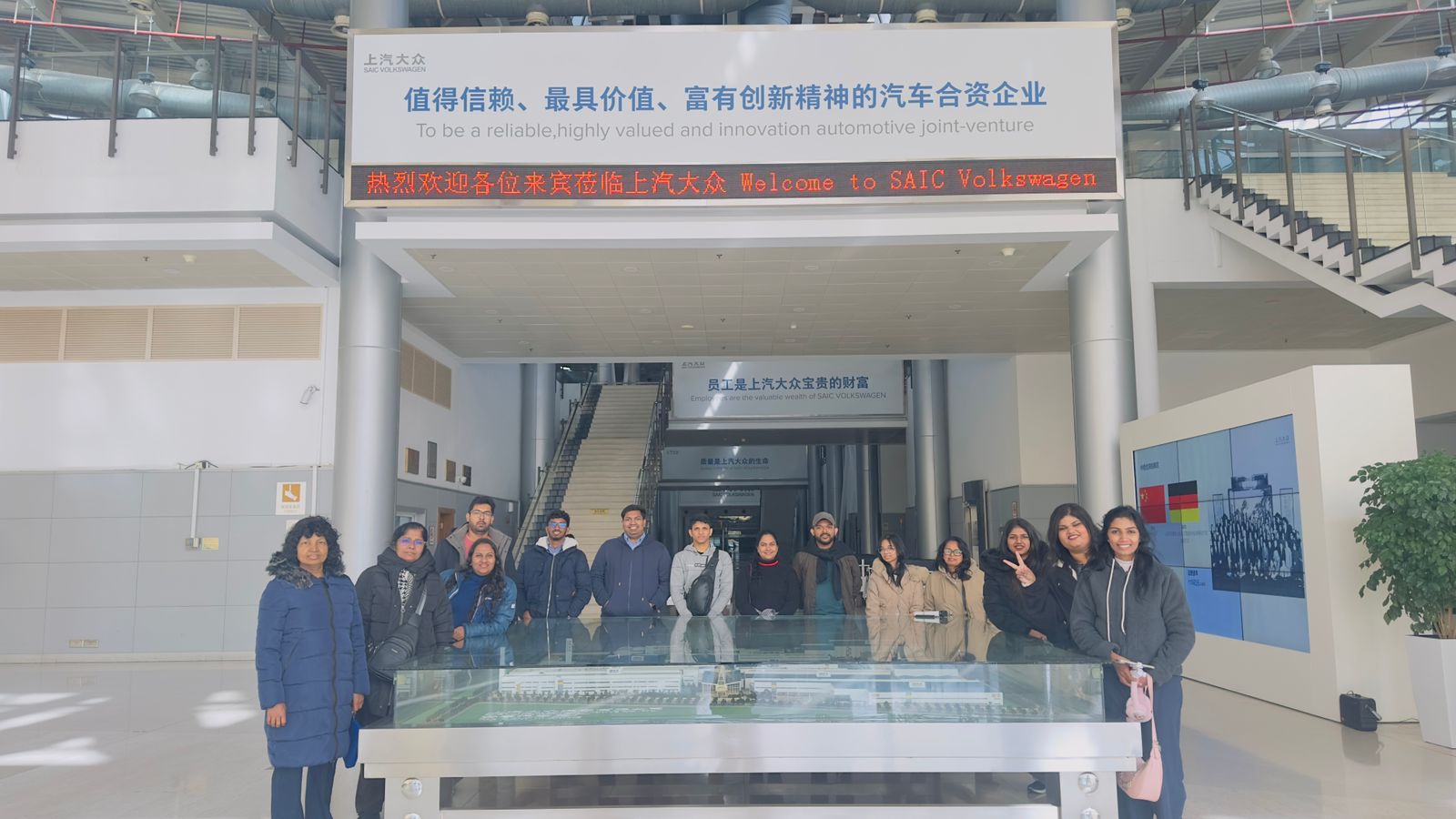
The study tour further provided students with extensive exposure to China’s economic landscape, covering major aspects of industrial development, cultural industries, and tourism-driven economic growth. Students explored The Bund, gaining valuable insights into Shanghai’s emergence as a global financial and commercial hub. The visit to Nanjing Road offered an understanding of urban retail expansion, consumer markets, and the economic role of large-scale commercial streets. Time spent in the French Concession highlighted the influence of historical urban planning, cultural integration, and foreign architecture on economic development. Students also had the opportunity to observe advanced industrial processes at the Shanghai Volkswagen Factory, where they witnessed AI-assisted production systems, automation technologies, and modern vehicle manufacturing.
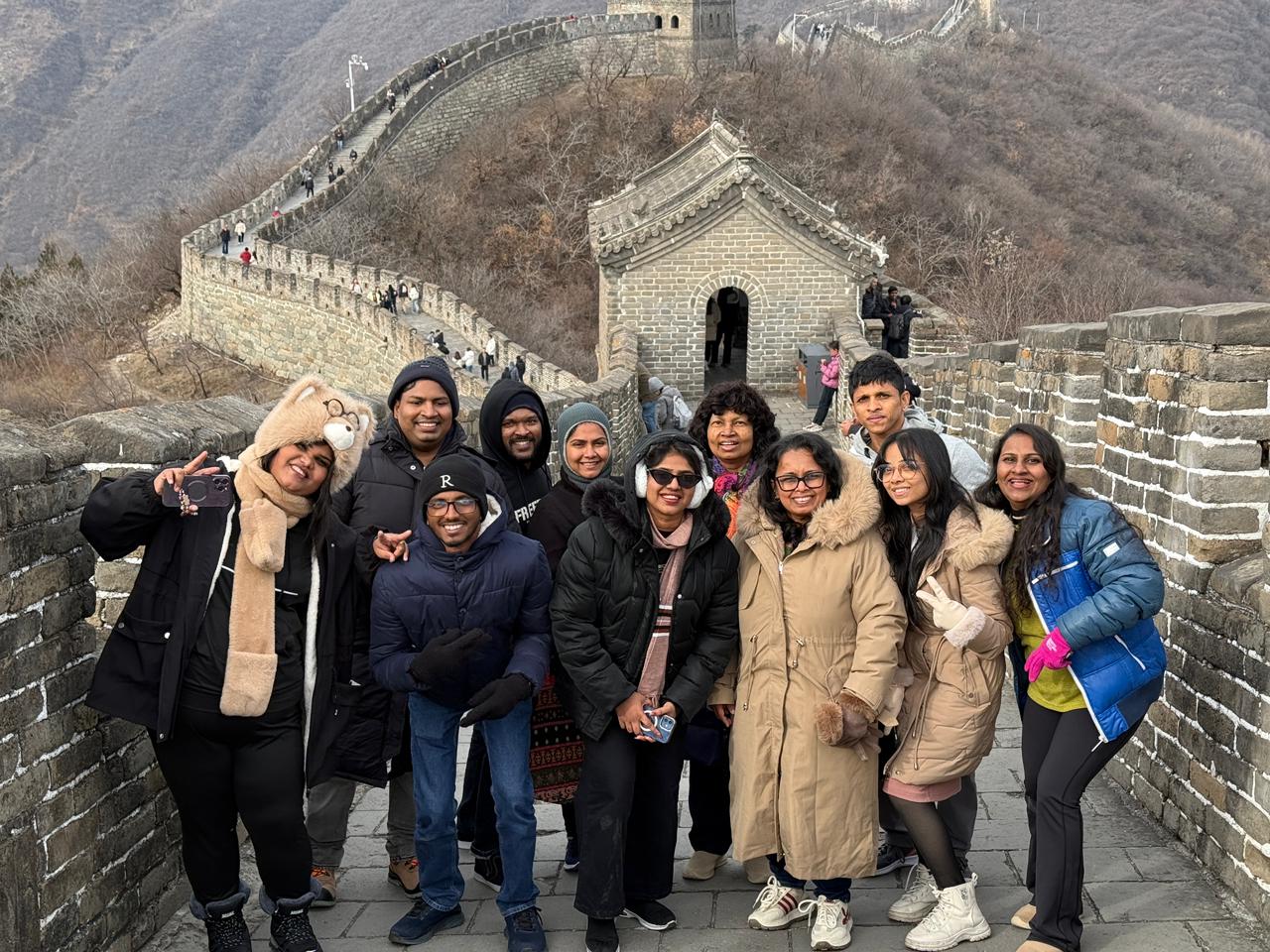
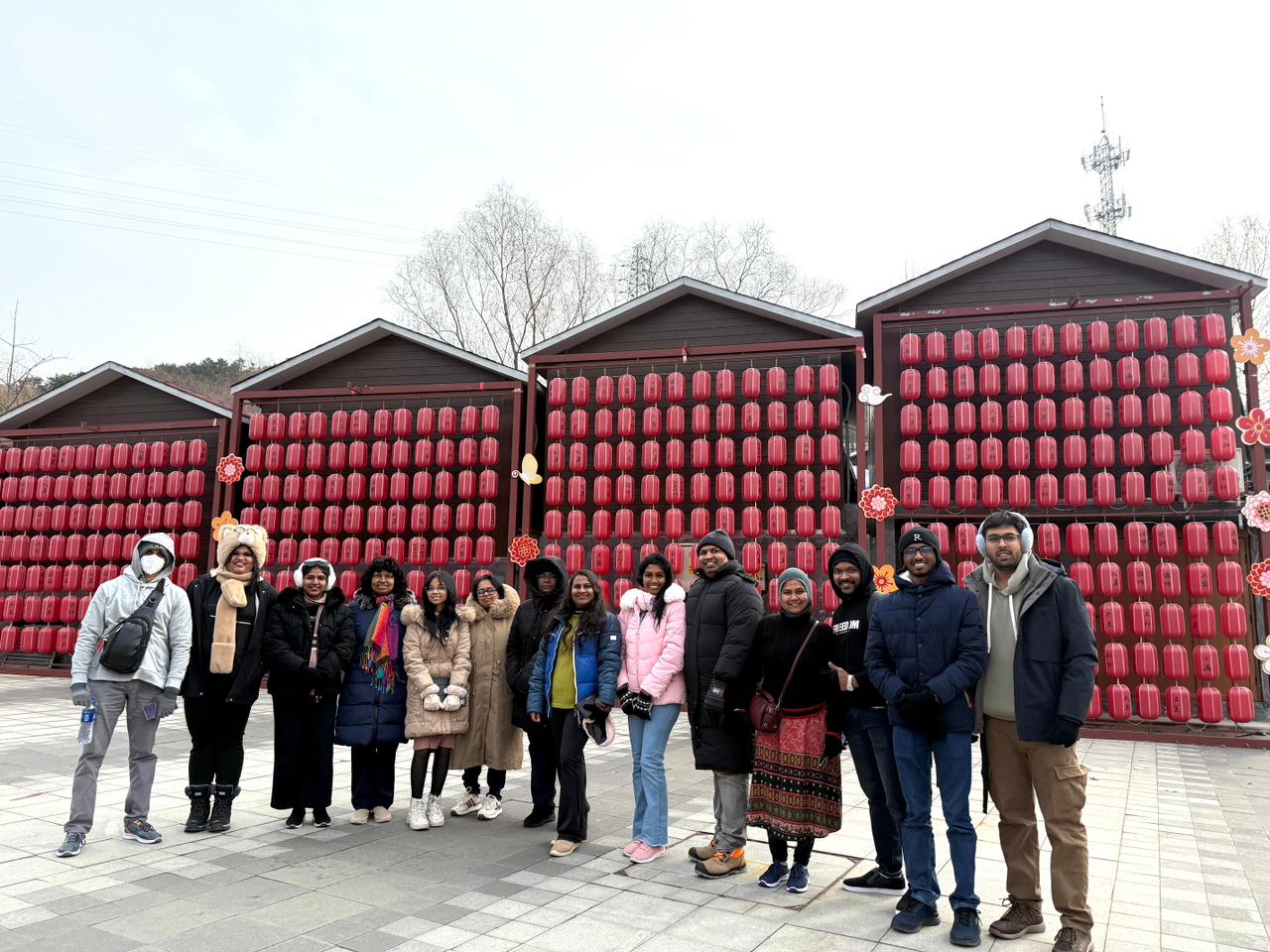
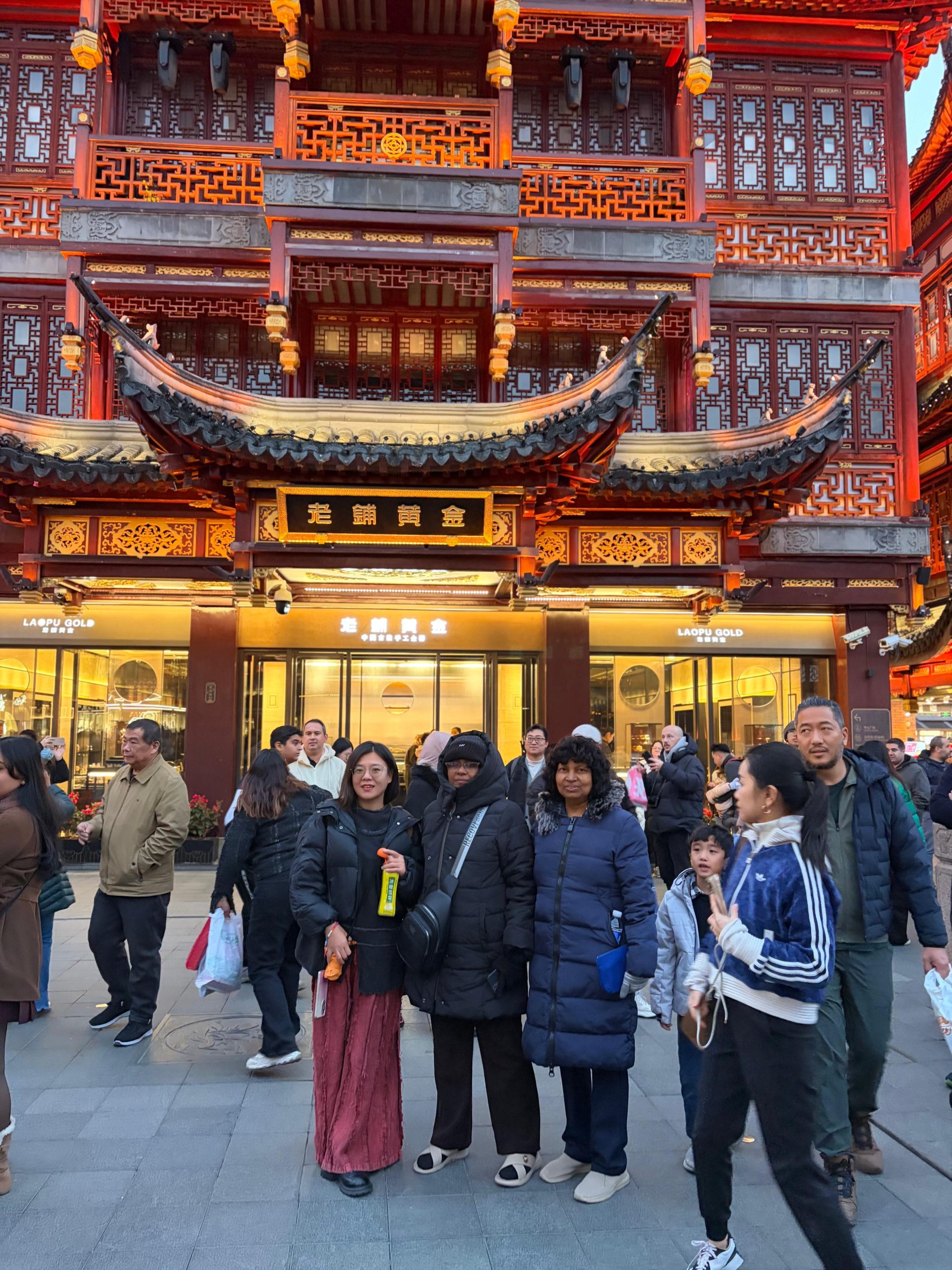
The tour included visits to culturally significant sites such as Yu Garden, the Jade Buddha Temple, the Town God’s Temple, and the traditional Zhujiajiao Water Village. These visits enabled students to examine the cultural economy, the preservation of heritage industries, and the link between traditional crafts, tourism development, employment generation, and poverty alleviation in rural areas. Further learning was enhanced through exposure to heritage tourism at the Great Wall of China, as well as observations of small and medium-scale industrial development, offering real-world examples of how SMEs contribute to regional economic growth and community livelihood.
Overall, the foreign study tour provided an enriching experiential learning opportunity, allowing postgraduate students to connect theoretical knowledge in Business Economics with real-world economic systems, industrial structures, and cultural development models. The insights gained through academic interactions, industrial visits, and cultural explorations greatly enhanced their understanding of global economic practices and broadened their perspectives for future research and professional development.